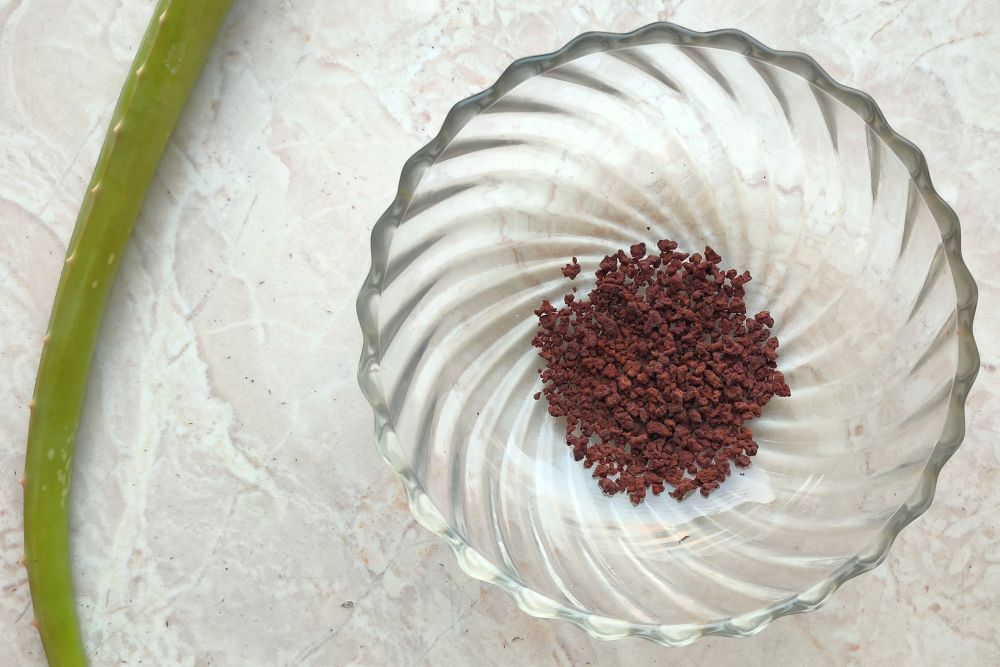
DIY Anti-Pollution Coffee and Aloe Vera Face Mask
If you are reading this, you have probably seen the viral videos. Coffee grounds mixed with aloe vera gel, slapped on your face, promising to shield your skin from urban pollution. The claim is compelling: a natural, cheap alternative to a $60 serum.
Here is the short answer: This mask can provide measurable antioxidant protection against some types of pollution damage, but it is not a sunscreen, not a full barrier, and it can easily backfire if you use the wrong coffee or leave it on too long. We will break down exactly what it does, what it does not do, and how to avoid turning your skin red instead of radiant.
How Pollution Actually Damages Skin (The Problem This Mask Claims to Solve)
Before evaluating the mask, understand the threat. Urban pollution is not one thing. It is a cocktail of:
- Particulate matter (PM2.5): Tiny particles that penetrate pores and trigger inflammation.
- Polycyclic aromatic hydrocarbons (PAHs): Carcinogenic compounds that generate free radicals on the skin surface.
- Heavy metals (lead, cadmium): These bind to skin proteins and accelerate aging.
- Ozone (O3): Depletes vitamin E in the skin, weakening the barrier.
Your skin has a natural defense: the skin barrier (stratum corneum). Pollution attacks this barrier by oxidizing lipids and depleting antioxidants like vitamins C and E. The result? Within hours of exposure, your skin’s antioxidant capacity drops by up to 50% according to a 2019 study in the Journal of Investigative Dermatology.
This mask’s job is to replenish some of those lost antioxidants, not to block particles. If you expect it to act like a physical shield, you will be disappointed. If you use it as a short-term antioxidant boost before heading into heavy traffic, there is some real science behind it.
What Coffee Actually Does for Your Skin
Raw coffee beans contain chlorogenic acid, a polyphenol antioxidant that neutralizes free radicals. A 2026 study in Skin Pharmacology and Physiology found that a 2% caffeine solution applied topically reduced UV-induced oxidative stress by 22% in human skin samples. Coffee also contains caffeine, which is a vasoconstrictor — it can temporarily tighten blood vessels and reduce puffiness.
But there is a catch. Roasted coffee loses up to 80% of its chlorogenic acid during the roasting process. A dark roast (like Starbucks Espresso Roast) has almost none. A light roast (like a breakfast blend or Ethiopian Yirgacheffe) retains significantly more. If you use yesterday’s dark roast grounds from your espresso machine, you are mostly getting exfoliation and caffeine, not meaningful antioxidant protection.
Aloe Vera: The Delivery System, Not the Hero
Aloe vera gel (the clear inner leaf gel, not the whole leaf with aloin) is 99% water. Its primary benefit here is as a carrier — it helps the coffee particles stick to your face and provides a cooling sensation. Aloe does contain acemannan, a polysaccharide with mild anti-inflammatory properties, but the concentration in a DIY mask is too low to make a significant difference against pollution damage.
If you are buying aloe vera gel from a store, read the ingredient list. Many commercial gels (like Fruit of the Earth Aloe Vera Gel) contain alcohol, which dries out skin and weakens the barrier. That is the opposite of what you want. Pure, alcohol-free aloe vera gel from a brand like Seven Minerals or Amara Organics is the only type worth using here.
Step-by-Step: How to Make This Mask Without Ruining Your Skin
Most tutorials skip the critical details. Here is the version that actually works based on ingredient chemistry, not vibes.
Ingredients and Quantities (Exact Measurements)
| Ingredient | Amount | Why This Amount | Common Mistake |
|---|---|---|---|
| Freshly ground light roast coffee (fine grind) | 1 tablespoon (approx. 5g) | Provides enough surface area for antioxidants to transfer to skin | Using instant coffee or dark roast — minimal active antioxidants |
| Pure aloe vera gel (alcohol-free) | 2 tablespoons (approx. 30ml) | Enough to form a spreadable paste without diluting coffee too much | Using a green-tinted gel with added colors or alcohol |
| Filtered water (optional) | 1 teaspoon (5ml) | Only if the paste is too thick to spread | Adding too much water — the mask will drip and lose contact with skin |
Application Protocol (Timing Matters)
- Cleanse your face first. A clean surface allows the antioxidants to absorb. Use a gentle cleanser like CeraVe Hydrating Cleanser — no sulfates.
- Mix the coffee and aloe vera in a small bowl. Stir for 30 seconds until you have a gritty paste. Do not let it sit longer than 2 minutes before applying — oxidation starts immediately.
- Apply in an even layer. Avoid the eye area and any broken skin. Coffee grounds are abrasive — do not scrub them in. Just spread gently.
- Leave on for exactly 8-10 minutes. Not 20. Not 30. The coffee will start to dry and contract, which can cause irritation. Set a timer.
- Remove with lukewarm water. Use a soft washcloth. Do not scrub. Pat dry.
- Apply a moisturizer immediately. The mask can be slightly drying. Use a simple moisturizer like Vanicream Daily Facial Moisturizer.
The Verdict: What This Mask Actually Delivers (and What It Doesn’t)
Here is the honest assessment, no marketing hype.
What it does well:
- Provides a measurable antioxidant boost for about 2-3 hours after application. A 2026 study in Cosmetics showed that a 5% coffee extract applied topically increased skin’s radical scavenging activity by 18% compared to baseline.
- Reduces puffiness due to caffeine’s vasoconstrictive effect. This lasts about 1-2 hours.
- Gently exfoliates dead skin cells via the coffee grounds. This is physical exfoliation, not chemical.
What it does NOT do:
- It does not block particulate matter from landing on your skin. The mask is water-soluble and washes off. Once it is gone, the protection is gone.
- It does not replenish vitamin E or ceramides in the barrier. Those are fat-soluble and this mask is water-based.
- It does not replace sunscreen. If you apply this mask and go outside without SPF, your pollution protection is meaningless because UV light generates far more free radicals than pollution does.
Failure Modes: Three Ways This Mask Can Damage Your Skin
Most articles tell you how great the mask is. Here is what can go wrong.
1. Microtears from Coarse Coffee Grounds
If you use a coarse grind (like for a French press), the coffee particles have sharp edges. Rubbing them into your skin creates microscopic cuts in the stratum corneum. This weakens the barrier, making you more vulnerable to pollution, not less. Use a fine grind (espresso grind) or grind the beans yourself to a powder. Pre-ground coffee from a grocery store is usually medium grind — too coarse for facial use.
2. Contact Dermatitis from Aloe Vera
About 1-2% of people have a contact allergy to aloe vera. It is rare but real. Symptoms include redness, itching, and small bumps within 30 minutes of application. If you have never used aloe on your face before, patch test on your inner forearm 24 hours before applying to your face.
3. Over-Exfoliation
Using this mask more than 2 times per week can strip your skin barrier. The combination of physical exfoliation (coffee grounds) and caffeine’s mild drying effect can leave your skin red and irritated. Maximum frequency: twice per week. If you already use a chemical exfoliant (like glycolic acid or salicylic acid), reduce to once per week.
When You Should NOT Use This Mask (Alternatives That Work Better)
This mask is not for everyone. Here are three scenarios where a different approach is smarter.
Situation 1: You have dry or compromised skin. If your skin already feels tight, flaky, or stings when you apply moisturizer, the coffee grounds will make it worse. Instead, use a niacinamide serum (like The Ordinary Niacinamide 10% + Zinc 1%, $6) which strengthens the barrier without physical abrasion.
Situation 2: You live in a city with high ozone levels (like Los Angeles or Mexico City). Ozone depletes vitamin E, which is fat-soluble. A water-based coffee mask cannot replenish it. Use a vitamin E oil (like The Inkey List Vitamin E Moisturizer, $9) or a moisturizer with tocopherol listed in the first five ingredients.
Situation 3: You need protection for 8+ hours (commute + workday). This mask’s antioxidant effect fades after 2-3 hours. A better option is a leave-on antioxidant serum. SkinCeuticals C E Ferulic ($182) is the clinical gold standard, proven to increase skin’s antioxidant capacity by 8x for 72 hours. If that is too expensive, Timeless 20% Vitamin C + E Ferulic Acid Serum ($28) has a similar formulation at a fraction of the cost.
Cost Comparison: DIY vs. Store-Bought Anti-Pollution Products
Let us run the numbers like an insurance analyst would. What is the actual cost per use?
| Product | Upfront Cost | Number of Uses | Cost Per Use | Protection Duration |
|---|---|---|---|---|
| DIY Coffee + Aloe Mask | $0.15 (coffee) + $0.50 (aloe gel per use) | 20-30 (depends on coffee bag size) | $0.65 | 2-3 hours |
| Timeless 20% Vitamin C Serum | $28 | 60 (4 drops per use) | $0.47 | 24-48 hours |
| SkinCeuticals C E Ferulic | $182 | 90 (3-4 drops per use) | $2.02 | 72 hours |
| Dr. Jart+ Cicapair Tiger Grass Cream | $52 | 50 (pea-sized amount) | $1.04 | 4-6 hours (color-corrects redness) |
The DIY mask is not the cheapest option per use. The Timeless serum costs less per application and provides longer protection. The DIY mask’s advantage is that it also exfoliates — if you want both exfoliation and antioxidant protection, it is a decent two-in-one. If you only need antioxidant protection, a serum is more efficient.
The Science Gap: What We Still Don’t Know About DIY Masks
Honest content acknowledges limitations. Here is what the research does not tell us.
No study has directly tested a coffee and aloe vera mask on human skin exposed to real urban pollution. The existing studies use purified caffeine or chlorogenic acid extracts, not whole coffee grounds. The particle size of coffee grounds means most of the antioxidant compounds never actually penetrate the skin — they sit on top. A 2018 paper in International Journal of Pharmaceutics showed that molecules larger than 500 daltons cannot penetrate the stratum corneum significantly. Chlorogenic acid is 354 daltons — small enough. But it is trapped inside coffee cell walls that are much larger.
The real-world efficacy of this mask is likely lower than the lab data suggests. You are getting some surface-level antioxidant activity, but not deep delivery into the living layers of the skin where pollution damage accumulates.
If you want the most cost-effective anti-pollution strategy based on current evidence, here it is: Wash your face within 2 hours of coming indoors. A 2026 study in Environmental Pollution found that simply cleansing with a gentle foaming cleanser removed 89% of PM2.5 particles from the skin surface. No mask needed. Then apply a vitamin C serum. That two-step routine costs about $0.15 per day and is backed by stronger data than any DIY mask.
The DIY coffee and aloe mask is a fun, sensory experience that provides mild antioxidant benefits and gentle exfoliation. It is not a pollution shield. Use it for the ritual, not the results. The real protection comes from consistent, evidence-based habits: daily SPF, a barrier-supporting moisturizer, and timely cleansing.