
Caffeine Body Lotion Review: Science-Based Analysis of Firming Claims
There is a persistent, almost magnetic attraction to the idea that we can apply a cream to our skin and watch fat cells dissolve. Marketing departments across the beauty industry have leaned heavily into this narrative, often positioning caffeine body lotions as a topical alternative to a gym session or a surgical procedure. However, the most significant misconception regarding these products is that they possess the biological capability to permanently eliminate adipose tissue—commonly known as body fat. They do not. Caffeine, as a methylxanthine, interacts with the skin on a physiological level, but its effects are largely structural and temporary rather than metabolic in a permanent sense. Understanding this distinction is the first step in evaluating whether these formulations deserve a place in your daily regimen.
Addressing the Fat Melting Myth in Caffeine Body Care
To evaluate a caffeine body lotion review fairly, one must first dismantle the “fat-burning” label. When a product claims to “sculpt” or “melt” fat, it is often conflating two very different biological processes: lipolysis and temporary dehydration of fat cells. Caffeine is indeed a phosphodiesterase inhibitor, which in theory can promote the breakdown of fats. However, the concentration required to reach the deep subcutaneous fat layers via topical application is rarely achieved in over-the-counter lotions. Most of what users perceive as “slimming” is actually the result of caffeine’s diuretic properties. It encourages the drainage of excess fluid from the interstitial spaces between cells.
This fluid reduction leads to a temporary tightening of the skin, making the underlying fat deposits—which we see as cellulite—appear less prominent. It is a surface-level refinement. If you stop using the product, the fluid returns, and the skin reverts to its previous state. This does not mean the products are useless; rather, it means their value lies in aesthetic maintenance and texture improvement. When we look at the crossover between body care and hair care—a category where caffeine is frequently used to stimulate follicles—the principle remains the same: stimulation and blood flow. Just as caffeine doesn’t magically create new hair follicles but rather supports existing ones, caffeine lotions support the skin’s appearance without fundamentally altering its composition.
Furthermore, the psychological impact of these lotions cannot be ignored. The “tingle” or warmth associated with many caffeine-infused creams is often misinterpreted as fat being burned. In reality, this is usually a result of secondary ingredients like menthol or capsicum, added to provide sensory feedback. A truly analytical approach requires us to look past the tingle and examine the moisture barrier support and the long-term antioxidant benefits that caffeine provides to the dermis.
The Biochemistry of Caffeine as a Topical Vasoconstrictor
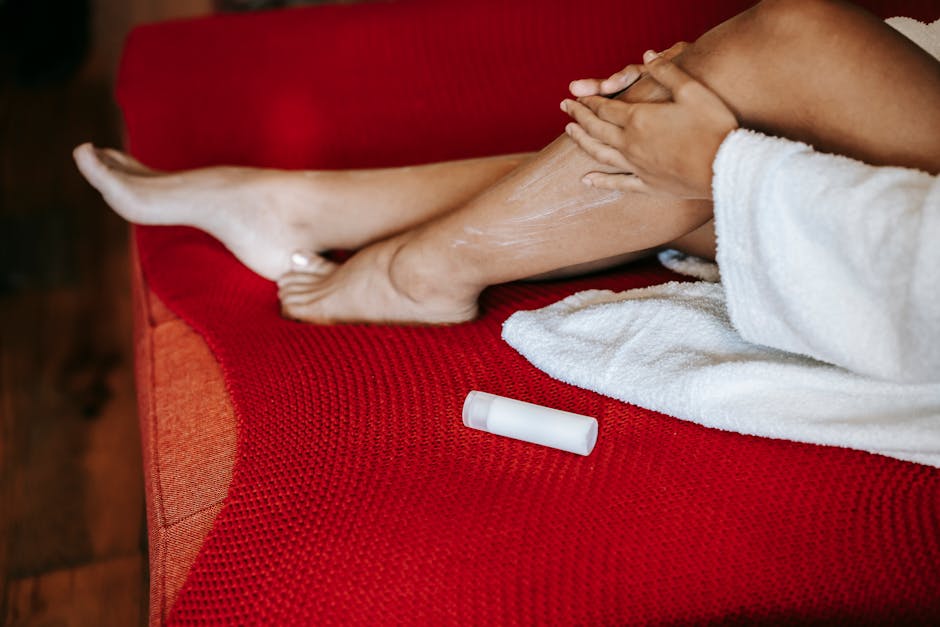
Caffeine’s primary mechanism of action on the skin is vasoconstriction. By narrowing the blood vessels, it reduces redness and puffiness. This is the same reason why caffeine is a staple in high-end eye creams meant to tackle dark circles and under-eye bags. On the body, this vasoconstriction contributes to a firmer, more “toned” look. When blood flow is localized and the vessels are constricted, the skin surface often appears smoother and more uniform in color. This is particularly beneficial for individuals dealing with the mottled appearance often associated with poor circulation in the legs.
Beyond its role as a vasoconstrictor, caffeine is a potent antioxidant. It belongs to a group of compounds that can neutralize free radicals—unstable molecules that damage collagen and accelerate skin aging. When applied topically, caffeine can help protect the skin from oxidative stress caused by UV radiation and pollution. This is a crucial, yet often overlooked, benefit. While most people buy these lotions for the promise of cellulite reduction, the long-term gain is actually the preservation of skin elasticity through antioxidant protection. This is where the “Deep Researcher” perspective finds the most value: in the preventative maintenance of the skin’s structural integrity.
The Role of Molecular Weight and Penetration
A significant hurdle for any topical treatment is the skin barrier. Caffeine has a relatively low molecular weight, which allows it to penetrate the stratum corneum more effectively than many larger botanical extracts. However, its solubility is a limiting factor. Many formulations use “caffeine silanol” or encapsulate the caffeine in liposomes to enhance its delivery into the deeper layers of the epidermis. Without these delivery systems, the caffeine may simply sit on the surface, providing nothing more than a brief antioxidant shield before being wiped away by clothing.
Comparative Analysis of Leading Caffeine-Infused Body Treatments
To provide a fair assessment, we must look at how different brands formulate their caffeine delivery. The following table compares four prominent products currently dominating the market, ranging from mass-market options to luxury staples.
| Product Name | Approx. Price | Primary Caffeine Source | Key Pro | Key Con |
|---|---|---|---|---|
| Sol de Janeiro Brazilian Bum Bum Cream | $48.00 | Guaraná Extract | High caffeine concentration; fast absorption | Extremely strong fragrance; expensive |
| Nivea Skin Firming & Toning Body Lotion | $12.50 | Caffeine + Q10 + L-Carnitine | Accessible price; reputable clinical history | Mineral oil base can feel heavy |
| Frank Body Perky Sculpting Body Cream | $20.00 | Coffee Bean Oil | Eco-friendly packaging; great texture | Caffeine content lower than extracts |
| MAELYS Cosmetics B-TIGHT Lift & Firm | $49.00 | Caffeine + Pink Pepperslim | Intense localized blood flow stimulation | Can cause significant skin redness/heat |
Sol de Janeiro Brazilian Bum Bum Cream: The Luxury Standard
The Brazilian Bum Bum Cream is perhaps the most famous example in this category. Its efficacy is rooted in Guaraná, an Amazonian plant whose seeds contain approximately four times the caffeine found in coffee beans. This high concentration makes it one of the more effective temporary firming agents on the market. The inclusion of Cupuaçu butter ensures that the skin remains hydrated, which is vital because caffeine alone can be drying. However, the scent is polarizing—it is a heavy, gourmand fragrance that lingers for hours. If you are sensitive to perfume, this is a significant drawback.
Nivea Skin Firming & Toning: The Budget Workhorse
Nivea’s approach is more clinical. They combine caffeine with Coenzyme Q10 and L-Carnitine. L-Carnitine is an amino acid that assists in fatty acid metabolism, theoretically supporting the caffeine’s action. While it lacks the “experiential” luxury of higher-end brands, its ability to improve skin moisture levels over a 24-hour period is well-documented. The downside is the texture; it relies on a blend of glycerin and petrolatum which can feel tacky in humid climates. It is best applied at night when the skin has time to fully absorb the heavier lipids.
Optimizing Absorption: The Role of Exfoliation and Massage
No caffeine lotion will perform to its peak potential if applied to a layer of dead skin cells. This is a technical reality that many users ignore. To maximize the penetration of methylxanthines, the skin must be prepared. This is where the intersection of hair care and body care becomes most evident—just as we clarify the scalp to allow hair growth serums to reach the follicle, we must clarify the body skin to allow caffeine to reach the dermis.
- Mechanical Exfoliation: Using a dry brush or a coffee scrub (like those from Frank Body) before showering removes the buildup of keratinized cells. This physical stimulation also jumpstarts lymphatic drainage, which works synergistically with the caffeine’s diuretic effect.
- Temperature Regulation: Applying lotion to slightly damp, warm skin after a shower encourages vasodilation, which can temporarily increase the skin’s permeability.
- The Massage Technique: Don’t just smear the lotion on. Use firm, upward circular motions. This mechanical pressure helps move interstitial fluid toward the lymph nodes, aiding the “de-puffing” process that the caffeine is chemically initiating.
It is also worth noting that consistency is the absolute variable in these reviews. Most clinical studies on topical caffeine require twice-daily application over an 8-to-12-week period. Many users abandon the product after three weeks, claiming it doesn’t work, when they haven’t actually allowed the cumulative antioxidant and structural benefits to manifest. If you are not prepared to commit to a 60-day cycle, the investment in a high-end caffeine cream is likely a waste of resources.
Safety Profiles: Caffeine Absorption and Dermal Sensitivity
A common question among the more analytical consumers is whether topical caffeine can enter the bloodstream and cause systemic effects like jitters or increased heart rate. Research suggests that while some caffeine does penetrate the dermis, the amount that reaches systemic circulation from a standard application is negligible—usually far less than what you would ingest from a single cup of decaf coffee. However, for those with extreme caffeine sensitivity or certain heart conditions, it is a factor that warrants a conversation with a medical professional.
The more pressing safety concern is dermal irritation. Caffeine is a stimulant, and in high concentrations, it can be irritating to those with eczema or rosacea. Furthermore, many “firming” creams include secondary ingredients like cinnamon, ginger, or menthol to create a heating or cooling sensation. These are common allergens. If you have reactive skin, a patch test on the inner forearm is mandatory. Look for signs of contact dermatitis—redness that persists longer than 30 minutes, itching, or small bumps. If the “heat” from a product like MAELYS B-TIGHT becomes painful, it is an indication that the skin barrier is being compromised, not that the fat is “burning” more effectively.
Applying caffeine to the skin is a lesson in managing expectations. It is a cosmetic finisher, not a biological re-architect.
Another nuance is the potential for dehydration. Because caffeine is a diuretic, over-use without a balancing emollient (like shea butter or squalane) can lead to crepey skin texture. This is counterproductive to the goal of looking “firmer.” Always ensure your caffeine lotion is balanced with high-quality lipids to maintain the moisture barrier while the caffeine works on the fluid levels.
The Crossover: Why Caffeine is Migrating from Hair Care to Body Care
The categorization of this article under “Hair Care” might seem counterintuitive at first glance, but it highlights a significant trend in cosmetic chemistry: ingredient migration. For years, caffeine has been the darling of the hair loss industry. Brands like Alpecin have built empires on the premise that caffeine can counteract the effects of DHT on hair follicles by stimulating blood flow to the scalp. The logic is that a well-fed follicle is a productive follicle. We are now seeing this exact same logic applied to the skin of the body.
The “skinification” of hair care has led to a reciprocal “hairification” of body care. We are treating the skin on our legs and torso with the same active-ingredient intensity that we previously reserved for our faces and scalps. Caffeine is the bridge between these worlds. It is one of the few ingredients that has a recognized physiological effect in both realms—stimulating the scalp for hair density and stimulating the dermis for skin firmness. This holistic approach to “stimulation” suggests that the future of beauty lies in these multipurpose actives.
When choosing a product, consider the brand’s history. Brands that have mastered caffeine delivery in scalp serums often have a technical advantage when formulating body lotions. They understand the stability of the molecule and the nuances of its pH requirements. While a caffeine body lotion will never replace the structural results of a healthy lifestyle, it serves as a sophisticated tool for those looking to refine their skin’s surface texture and provide an extra layer of antioxidant defense against the environment. The evidence suggests that for temporary aesthetic improvement, caffeine remains one of the most reliable topical agents available, provided the user understands the biological limits of its reach.
Ultimately, the decision to use a caffeine body lotion should be based on a desire for texture refinement and temporary smoothing. If you go into it expecting a permanent change in your clothing size, you will be disappointed. If you go into it looking for a way to make your skin look its best for a specific event or to maintain a smooth appearance through the summer months, you will find it to be a valuable, albeit temporary, addition to your skincare arsenal.