Treat Hormonal Acne Chin: How to Treat Hormonal Acne on Your Chin: A 2026 Step-by-Step Guide
Does your chin erupt like clockwork a week before your period? You’re dealing with hormonal acne. It’s not about dirty skin or bad products. It’s about androgens — hormones that ramp up oil production and inflame your follicles. Topical treatments help. But you also need to manage the internal trigger. Here’s exactly what works in 2026.
Why Your Chin Is the Target (and Your Forehead Isn’t)
Hormonal acne follows a map. Androgen receptors cluster around the jawline, chin, and lower cheeks. That’s why you can have clear cheeks and a lumpy chin. The sebaceous glands in these areas are more sensitive to testosterone and DHEA-S. When those hormones spike (ovulation, stress, PCOS), oil pours out, pores clog, and Cutibacterium acnes throws a party.
The Two Types of Chin Breakouts
Not all bumps are the same. Closed comedones (whiteheads) on the chin are often mild hormonal shifts. Deep, painful cysts that never come to a head are the real problem. Those are driven by inflammation deep in the dermis. A salicylic acid toner won’t touch them. You need something that penetrates and calms from the inside out.
Key insight: If you only have whiteheads, your routine might need a tweak. If you have hot, sore lumps that last two weeks, you need a medical strategy.
The 5-Step Routine That Actually Stops Chin Acne
This is the order that dermatologists recommend in 2026. Stick to it for 8 weeks. If you see zero improvement, see a doctor.
- Gentle cleanser (AM & PM) — La Roche-Posay Toleriane Hydrating Gentle Cleanser. No sulfates. No scrubbing. Harsh cleansers inflame cysts.
- Salicylic acid (PM only) — Paula’s Choice 2% BHA Liquid Exfoliant. Wipe over chin and jaw. Wait 20 minutes.
- Adapalene (PM, after BHA dries) — Differin Gel 0.1%. This is OTC retinoid that normalizes cell turnover. Start every third night, then build.
- Oil-free moisturizer (AM & PM) — CeraVe PM Facial Moisturizing Lotion. Contains niacinamide to reduce redness.
- Zinc-based sunscreen (AM) — Supergoop! Unseen Sunscreen SPF 40. Adapalene makes skin sun-sensitive.
Skip the BHA on nights you use adapalene if your skin gets irritated. Just use the retinoid alone.
What to Do When Topicals Aren’t Enough
Some people need more than a skincare routine. If you’ve used adapalene for 12 weeks and still get cysts, the problem is systemic. Here are the medical options that work.
Spearmint Tea — Real Data, Not Hype
Two cups of spearmint tea per day can lower free testosterone levels. A 2015 study in Phytotherapy Research showed a significant drop in androgen levels after 30 days. It’s not a cure, but it’s a cheap, safe add-on. Try Traditional Medicinals Organic Spearmint tea. Drink it cold if you don’t like hot tea.
Spironolactone — The Gold Standard
Spironolactone is a prescription diuretic that blocks androgen receptors on the skin. Doses range from 50mg to 200mg daily. It’s not for everyone (pregnancy risk, potassium issues), but it clears hormonal chin acne in about 70% of women. Ask your dermatologist.
Oral Antibiotics — Short-Term Only
Doxycycline or minocycline for 3 months can knock down inflammation. But they wreck your gut microbiome. Use them only as a bridge while a topical retinoid or spironolactone kicks in.
5 Mistakes That Make Chin Acne Worse
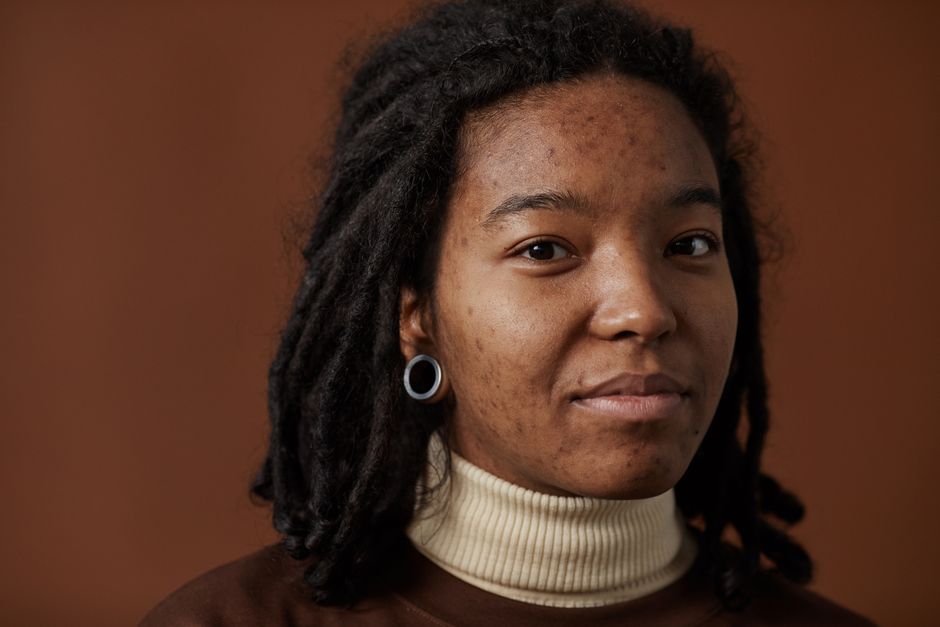
I see these errors constantly. Avoid them.
- Over-exfoliating. Using a scrub, a BHA, and a retinol every night destroys your moisture barrier. Red, tight skin = more inflammation = more acne.
- Picking cysts. You push bacteria deeper. That one lump becomes three. Put a hydrocolloid patch (COSRX Acne Pimple Master Patch) on it and walk away.
- Skipping moisturizer. Dry skin produces more oil to compensate. Use a lightweight gel-cream like Neutrogena Hydro Boost Water Gel.
- Using dirty pillowcases. Change every 2 days. Silk pillowcases (like Slip) reduce friction and don’t absorb as much oil.
- Ignoring toothpaste and lip balm. Sodium lauryl sulfate in toothpaste can irritate the chin. Switch to SLS-free brands like Sensodyne.
When NOT to Treat Chin Acne Yourself
This is the most important section. Do not DIY if:
- You have sudden, severe cystic acne after age 25 (could be PCOS or a thyroid issue).
- You’re on hormonal birth control and acne started after stopping it.
- You have irregular periods, hair thinning, or excess facial hair.
- A cyst lasts longer than 4 weeks.
Go to a dermatologist. They can do a blood panel, prescribe spironolactone or oral contraceptives, and give corticosteroid injections for angry cysts. No article replaces a medical exam.
Comparison: Topical Acne Treatments for Chin
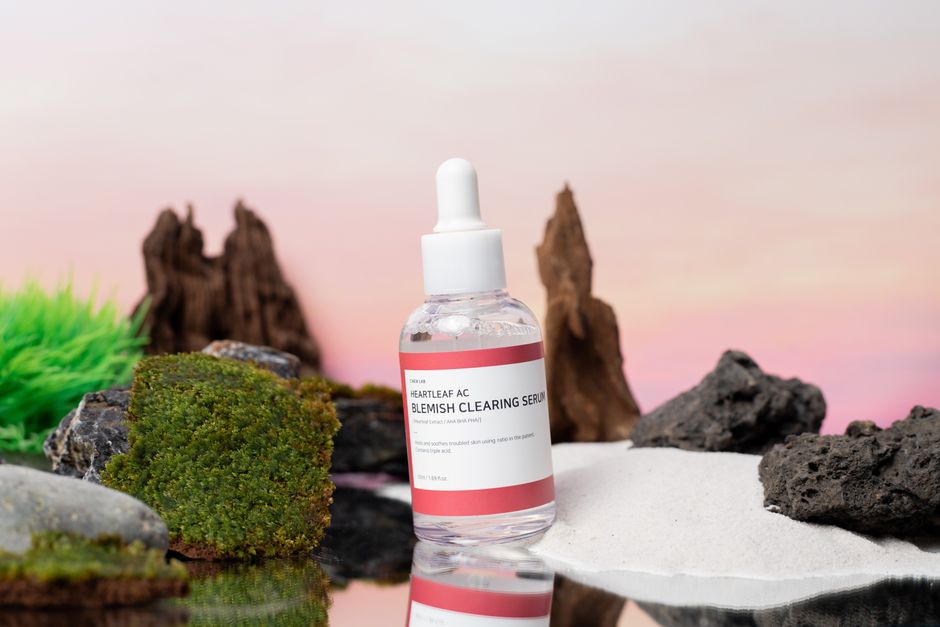
| Ingredient | Best For | Example Product | Price Range | Time to Result |
|---|---|---|---|---|
| Salicylic acid 2% | Whiteheads, clogged pores | Paula’s Choice 2% BHA Liquid | $12–$34 | 2–4 weeks |
| Benzoyl peroxide 5% | Inflamed red pimples | PanOxyl 5% Creamy Wash | $10–$16 | 1–2 weeks |
| Adapalene 0.1% | Cystic acne, deep bumps | Differin Gel | $15–$30 | 8–12 weeks |
| Azelaic acid 10% | Redness, post-acne marks | The Ordinary Azelaic Acid Suspension | $11 | 4–6 weeks |
The 3-Week Timeline for Visible Change
If you follow the 5-step routine exactly, here’s what happens.
Week 1: Skin feels drier. You might see a few new whiteheads as adapalene pushes clogged pores to the surface. Do not stop.
Week 2: Inflammation drops. Existing cysts shrink. No new deep bumps.
Week 3: Skin texture evens out. No active cysts. Red marks (post-inflammatory hyperpigmentation) remain, but they fade over 2–3 months with sunscreen and azelaic acid.
If by week 4 you still have active cysts, switch to the medical options above.
Treating hormonal chin acne is not about buying every product. It’s about finding the one or two things that target your specific trigger — and having the patience to let them work.