K-Beauty Brands For Sensitive Skin: 10 K-Beauty Brands That Actually Work for Sensitive Skin
I’ve spent the last six years cycling through K-beauty brands, patch-testing everything from $5 sheet masks to $200 serums. My skin is the reactive type — prone to redness, tightness, and the occasional angry rash when I pick the wrong product. After burning through dozens of bottles, I’ve narrowed down the brands that genuinely deliver for sensitive skin in 2026. Here’s what I’ve learned.
Why K-Beauty Works for Sensitive Skin (When Western Brands Don’t)
The fundamental difference is philosophy. Western brands often treat sensitivity as a problem to fix with steroids or heavy barrier creams. K-beauty approaches it as a state to maintain — prevention over correction. That means fewer active ingredients, more emphasis on hydration, and a focus on strengthening the skin barrier long-term.
Most Korean formulations rely on fermented extracts, centella asiatica, and ceramides rather than high-concentration acids or retinoids. The pH of cleansers is consistently lower (5.0–5.5 range). Fragrance-free options are standard, not premium. And the layering system lets you control how much product your skin can handle at each step.
But not all K-beauty brands are created equal. Some still pack in essential oils, alcohol, and masking fragrances that will wreck a sensitive complexion. Here’s where I draw the line.
What to Avoid in K-Beauty for Sensitive Skin
Three red flags I always check for: citrus oils (bergamot, lemon, grapefruit), denatured alcohol (often listed as Alcohol Denat., SD Alcohol 40, or simply Alcohol), and high concentrations of essential oils (lavender, peppermint, tea tree). Even if a brand markets itself as ‘gentle,’ one of these ingredients can undo weeks of barrier repair.
I also skip anything with a strong artificial scent. ‘Natural fragrance’ doesn’t mean safe — it just means the source is plant-based. My skin can’t tell the difference between synthetic jasmine and real jasmine extract; both trigger the same reaction.
The Heavy Hitters: Brands I Trust for Daily Use
These are the brands I’ve used consistently for over a year. No breakouts, no stinging, no texture changes. Just reliable, gentle results.
| Brand | Best For | Key Product | Price Range |
|---|---|---|---|
| COSRX | Acne-prone sensitive skin | Low pH Good Morning Gel Cleanser ($12) | $10–$25 |
| Beauty of Joseon | Dry, barrier-compromised skin | Relief Sun SPF50+ ($18) | $15–$30 |
| Purito | Redness and rosacea | Centella Unscented Serum ($22) | $15–$28 |
| Isntree | Oily but sensitive skin | Hyaluronic Acid Watery Sun Gel ($20) | $14–$24 |
I’m not saying these are the only options. But if you’re starting from zero, pick one of these four. You’ll minimize the risk of a bad reaction.
The One Brand I Won’t Touch (And Why)
I’m going to get straight to it: Innisfree. I know it’s the gateway drug for many K-beauty newcomers. But their formulations consistently include high levels of denatured alcohol and fragrance. I tried the Green Tea Seed Serum twice — once in 2026 and again in 2026 — and both times my face turned red within an hour. The brand has improved some lines, but their core products still irritate reactive skin.
If you’re tempted by Innisfree, I’d steer you toward Round Lab instead. Their 1025 Dokdo Toner ($16) is alcohol-free, fragrance-free, and contains mineral water from Ulleungdo. It’s what Innisfree could be if they prioritized sensitivity over scent.
How to Layer K-Beauty Products Without Overwhelming Your Skin
The biggest mistake I see is people slapping on seven products immediately. Sensitive skin needs a ramp-up period. Here’s the sequence I follow:
- Oil cleanser (PM only) — 30 seconds, no rubbing
- Water-based cleanser — low pH, gentle surfactants only
- Toner — hydrating, no exfoliants
- Serum — one active at a time (centella, niacinamide, or peptide)
- Moisturizer — barrier-repair focused (ceramides, squalane)
- Sunscreen — mineral or hybrid, SPF50+
Start with just cleanser, moisturizer, and sunscreen for two weeks. Then add the toner. Wait another week. Then the serum. If any step causes stinging, remove it and wait three days before trying the next.
What Happens If You Layer Too Fast
I did this once. Added a new toner and a new serum in the same week. By day three, my skin was peeling around the nose and chin. It took two weeks of bare-minimum routine (just cleanser and moisturizer) to recover. Patience isn’t optional with sensitive skin — it’s the whole game.
When to Skip K-Beauty Entirely
K-beauty isn’t a universal solution. If you have severe eczema, active allergic contact dermatitis, or a diagnosed skin condition like perioral dermatitis, you need a dermatologist, not a new toner. K-beauty products are cosmetic, not medical. They can support a compromised barrier, but they won’t fix a medical issue.
I’d also say skip it if you’re on prescription retinoids or high-strength acids. The layering approach can interact unpredictably with prescription actives. Stick to a minimal routine: gentle cleanser, basic moisturizer, and SPF. Once your skin stabilizes, you can slowly introduce one K-beauty product at a time.
The 2026 Update: What’s Changed in K-Beauty for Sensitive Skin
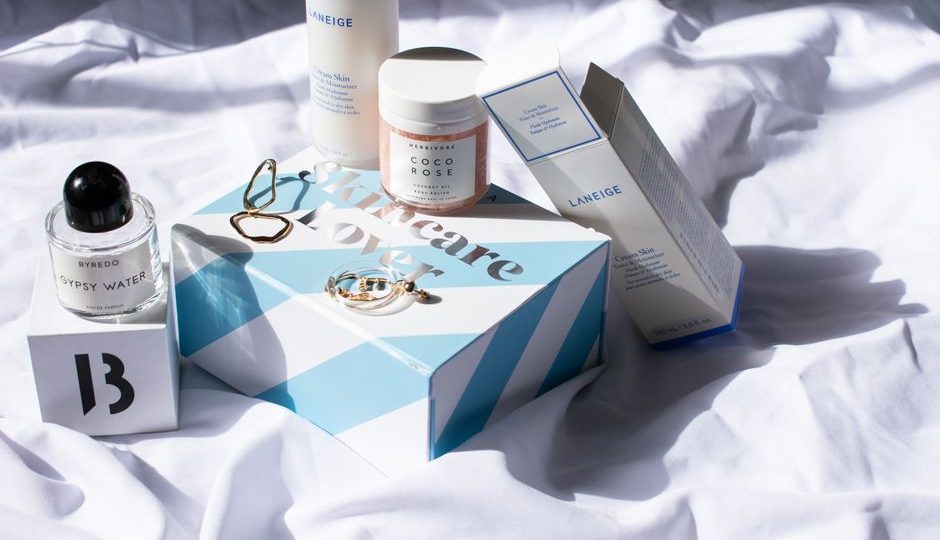
Two major shifts happened last year. First, more brands are reformulating to remove essential oils. Even Laneige, which was notorious for fragrance-heavy products, released a fragrance-free version of their Cream Skin Refiner in early 2026. That’s a huge win for sensitive skin users.
Second, the focus has moved from brightening to barrier health. Five years ago, every brand pushed vitamin C and niacinamide at high percentages. Now the bestsellers are centella asiatica, panthenol, and madecassoside — ingredients that calm and protect rather than stimulate.
Amorepacific’s Vintage Single Extract Essence ($120) is still my splurge product. It’s fermented green tea, nothing else. No preservatives beyond what’s necessary. My skin drinks it up. But I fully acknowledge the price is absurd. The Purito Centella Unscented Serum ($22) does 80% of the same job for a fraction of the cost.
My Final Take on K-Beauty for Sensitive Skin
I don’t think K-beauty is a magic bullet. But when you pick the right brand and the right products, it’s the most sustainable approach I’ve found for managing reactive skin. The key is to ignore the hype, read the ingredient lists yourself, and never trust a brand that claims to be ‘for all skin types.’ That’s a lie every time.
I’m watching Sulwhasoo closely. Their First Care Activating Serum has been reformulated with fewer botanical extracts, and early reviews from sensitive skin users are positive. If the trend continues, 2027 might be the year luxury K-beauty finally takes sensitivity seriously. I’ll update this post if it does.