
My Combination Skin Routine That Finally Balanced My T-Zone
Most people with combination skin make one critical mistake: they treat their whole face the same. They use a gel cleanser for the oily T-zone, then wonder why their cheeks feel tight. Or they slather a rich cream on dry patches, and their forehead breaks out.
Combination skin isn’t two different skin types fighting each other. It’s one skin type that needs two different approaches in the same routine. Here’s exactly how I balanced my oily forehead, nose, and chin with my normal-to-dry cheeks — without buying 15 products.
Why Most Combination Skin Routines Fail
The biggest failure mode is over-cleansing. People see shine on their nose and reach for foaming cleansers with sulfates. That strips the cheeks, which then overproduce oil to compensate. The T-zone gets shinier. The cheeks get redder. It’s a cycle that never ends.
The One-Cleanser Trap
A single foaming cleanser cannot work for both zones. Your forehead has more sebaceous glands than your cheeks. It needs different ingredients. Using a high-pH foaming wash everywhere guarantees irritation on the dry areas.
Moisturizer Mismatch
The second mistake: applying one moisturizer to the whole face. A lightweight gel won’t hydrate dry cheeks. A thick cream will clog pores on the nose. You need two textures — or one product that’s smart about where you apply it.
I tried 11 different routines before landing on this one. The results showed in 3 weeks: less shine on my forehead, no flakes on my cheeks, and fewer breakouts overall.
The Core Principle: Zone-Based Layering

This routine uses one cleanser, one treatment, one moisturizer — but you apply them differently to different zones. The key is understanding your skin’s map.
| Zone | Characteristics | Needs |
|---|---|---|
| T-zone (forehead, nose, chin) | Oily, enlarged pores, prone to blackheads | Lightweight hydration, oil control, salicylic acid |
| Cheeks | Normal to dry, sometimes flaky | Rich moisture, barrier repair, ceramides |
| Jawline | Can be combination — oily near chin, dry near ears | Balanced hydration, non-comedogenic |
Zone-based layering means you apply thicker products only where needed. This isn’t complicated. It just requires paying attention.
Step 1: Double Cleanse — But Only at Night
Double cleansing is non-negotiable for combination skin. In the morning, you only need water or a gentle cleanser. At night, you remove sunscreen and oil with a balm or oil cleanser first, then follow with a water-based cleanser.
Morning Cleanse
Splash with lukewarm water. No cleanser. Your skin doesn’t need stripping first thing. If you must use something, try CeraVe Hydrating Facial Cleanser ($14, 16 oz). It’s non-foaming and has ceramides. Apply only to the T-zone if your cheeks feel dry.
Night Cleanse
Start with The Ordinary Squalane Cleanser ($10). It melts makeup and sunscreen without stripping. Massage for 60 seconds, rinse. Then use La Roche-Posay Toleriane Hydrating Gentle Cleanser ($16). It has niacinamide and doesn’t foam. Your cheeks will thank you.
Verdict: This two-step removes excess oil from your T-zone without damaging your moisture barrier. My cheeks stopped feeling tight after three nights.
Step 2: Exfoliate Differently on Each Zone
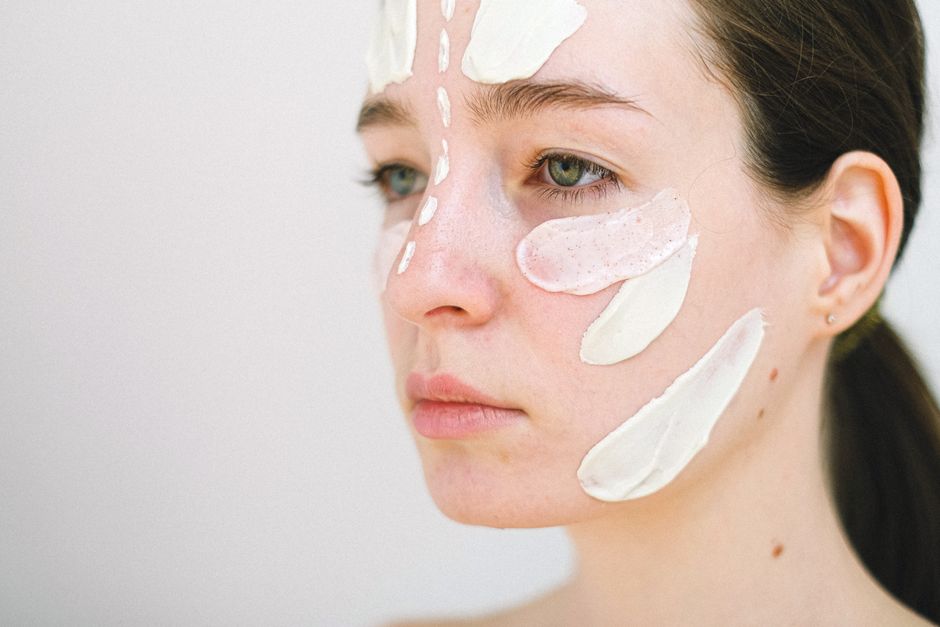
You cannot use the same exfoliant everywhere. Your T-zone needs salicylic acid to unclog pores. Your cheeks need gentler options like lactic acid or PHA — or nothing at all.
For the T-Zone
Paula’s Choice Skin Perfecting 2% BHA Liquid Exfoliant ($35, 4 oz) is the gold standard. Apply it with a cotton pad only to your forehead, nose, and chin. Leave it for 2 minutes before applying anything else. Do this 3 times per week, not daily.
For the Cheeks
Skip exfoliation on your cheeks entirely for the first month. If they feel rough, use COSRX AHA 7 Whitehead Power Liquid ($20) once a week. Glycolic acid at 7% is strong — apply only to the cheek area, avoiding the eye area. Rinse after 10 minutes.
I exfoliate my T-zone on Monday and Thursday, and my cheeks only on Saturday. This prevents over-exfoliation while keeping both zones smooth.
Step 3: Targeted Hydration With Niacinamide
Niacinamide is the single best ingredient for combination skin. It regulates oil production in the T-zone while strengthening the moisture barrier on the cheeks. You need one serum applied everywhere.
The Serum That Works for Both Zones
The Ordinary Niacinamide 10% + Zinc 1% ($6) is cheap and effective. Apply 3 drops to your entire face after cleansing. The zinc helps control oil on the forehead. The niacinamide reduces redness on the cheeks. I saw less shine within two weeks.
If your skin reacts to 10% niacinamide, try La Roche-Posay Effaclar Serum ($40) at 5%. It’s gentler and has salicylic acid built in for the T-zone.
Where to Apply Extra Hydration
After the serum, apply a hyaluronic acid serum only to your cheeks. COSRX Hyaluronic Acid Hydra Power Essence ($22) has three types of HA. Two drops on each cheek, pat in. Your T-zone doesn’t need it.
Step 4: Two Moisturizers — Or One Applied Strategically

This is where most people give up. They don’t want to buy two moisturizers. You don’t have to. One well-chosen moisturizer can work if you apply it strategically.
The One-Moisturizer Method
Use CeraVe Moisturizing Cream ($16, 16 oz) in the tub. Apply a pea-sized amount to your cheeks and jawline. Then take a tiny amount — half a pea — and rub it between your palms until it’s thin. Pat that onto your forehead and nose. The T-zone gets a lighter layer. The cheeks get full hydration.
This method works because CeraVe has ceramides and hyaluronic acid. It’s rich enough for dry areas but can be sheered out for oily ones.
The Two-Moisturizer Method
If you prefer separate products, use La Roche-Posay Toleriane Double Repair Matte Moisturizer ($20) on your T-zone. It has perlite to absorb oil. On your cheeks, use La Roche-Posay Cicaplast Baume B5 ($16). This is thick — a rice-grain amount per cheek is enough.
I use the one-moisturizer method in summer and the two-moisturizer method in winter, when my cheeks get drier.
Step 5: Sunscreen That Doesn’t Break You Out
Combination skin hates most sunscreens. Chemical filters can sting dry cheeks. Physical sunscreens can look chalky on oily T-zones. You need a hybrid or a well-formulated mineral option.
The Best Sunscreen for Combination Skin
Beauty of Joseon Relief Sun Rice + Probiotics SPF50+ ($18) is a chemical sunscreen that feels like a moisturizer. It has rice extract and probiotics. It dries down with a natural finish — not matte, not dewy. I apply one finger-length amount to my whole face. It doesn’t pill under makeup.
If you prefer mineral sunscreen, Paula’s Choice Resist Youth-Extending Daily Hydrating Fluid SPF 50 ($35) is lightweight and has a tint. It won’t leave a white cast on the T-zone.
Application Tip
Apply sunscreen after your moisturizer. Wait 2 minutes for the moisturizer to absorb. Then apply sunscreen in thin layers. Pat it into your T-zone instead of rubbing. This prevents pilling on oily areas.
When to See a Dermatologist
This routine works for most combination skin. But if your T-zone is severely oily or your cheeks are persistently red and flaky, you might need prescription help. Topical retinoids like tretinoin can regulate oil production. Azelaic acid (15% or higher) can address both acne and redness.
Signs you need a doctor: your skin burns after applying basic moisturizer, you have breakouts that last more than 2 weeks, or your cheeks are red even when you haven’t applied anything. Don’t self-treat for months if the basics don’t work.
Balancing combination skin isn’t about buying expensive products. It’s about applying the right ingredients to the right zones. Start with one change — the way you moisturize — and build from there. Your T-zone and cheeks can coexist peacefully.