Best Lip Care Routine: Achieving Softer, Healthier Lips
Did you know the skin on your lips is up to five times thinner than the skin on the rest of your face? This makes them incredibly vulnerable to environmental damage and dehydration, leading to common complaints like dryness, cracking, and peeling. While many of us grab a lip balm when things get bad, a truly effective lip care routine goes beyond reactive fixes. It involves understanding the unique biology of your lips, selecting the right ingredients, and committing to consistent protective steps.
The Science Behind Dry Lips: Why They Crack and Peel
Understanding why lips get dry and cracked is the first step toward preventing it. Your lips lack the protective layers that the rest of your skin enjoys, making them highly susceptible to moisture loss. This isn’t just about feeling uncomfortable; it’s a breakdown in your body’s natural defenses.
Understanding the Lip Barrier Function
Unlike facial skin, lips have a very thin stratum corneum—the outermost layer of the epidermis. This layer is crucial for preventing transepidermal water loss (TEWL), where moisture evaporates from the skin. On top of this, lips have virtually no sebaceous glands, which produce sebum, a natural oily substance that forms a protective barrier on the skin. Without this sebum, lips can’t create their own protective film, leaving them exposed and unable to retain moisture effectively. This anatomical difference means your lips are constantly fighting an uphill battle against dryness, relying heavily on external protection to stay hydrated and healthy.
Environmental Aggressors and Dehydration
Our daily environment constantly challenges lip health. Cold, dry air, especially during winter months, strips moisture away rapidly. Wind s this by increasing the rate of evaporation from the lip surface. Sun exposure, often overlooked for lips, can cause sun damage, dryness, and even increase the risk of skin cancers on the lips. Even habits like frequently licking your lips, which might feel like it’s adding moisture, actually makes things worse. As the saliva evaporates, it takes existing moisture from your lips with it, creating a vicious cycle of dryness. Certain medications, like retinoids or diuretics, can also significantly contribute to lip dryness by affecting overall body hydration and skin cell turnover.
Internal Factors: Diet and Health
Lip health isn’t solely external. What you put into your body plays a significant role. Chronic dehydration, simply not drinking enough water throughout the day, will manifest directly as dry lips. Deficiencies in certain vitamins, particularly B vitamins (B2, B3, B6, B12) and iron, can also lead to angular cheilitis (cracks at the corners of the mouth) or general lip dryness. A diet lacking in essential fatty acids, found in foods like avocados, nuts, and oily fish, can impair the skin’s barrier function everywhere, including the lips. Underlying health conditions, such as thyroid disorders or autoimmune diseases, might also present with persistent lip dryness as a symptom. Addressing these internal factors is crucial for long-term lip health, providing a foundation that external care can build upon.
Essential Daily Lip Care Steps for Every Season
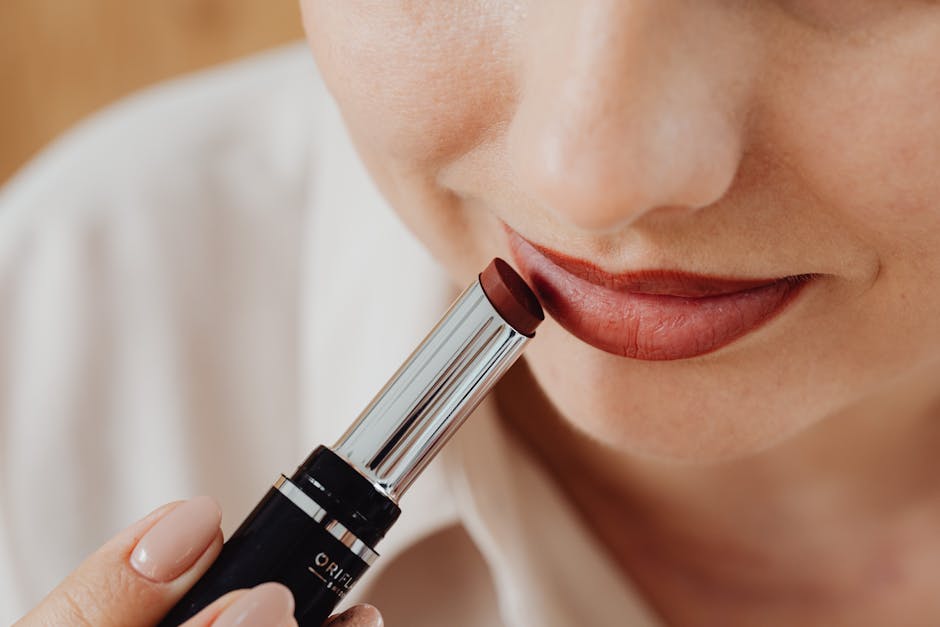
A consistent daily routine is the cornerstone of healthy lips. Think of it as a three-part process: preparing, protecting, and repairing. Each step is critical, working together to keep your lips soft, smooth, and comfortable.
-
Gentle Exfoliation: When and How
Exfoliating your lips 1-2 times a week is essential to remove dead, flaky skin cells that can prevent balms from penetrating effectively. Over-exfoliating, however, can cause irritation and worsen dryness. The key is gentleness. You can use a soft, damp toothbrush and lightly brush your lips in circular motions for about 30 seconds. Another effective method is a DIY sugar scrub: mix a teaspoon of fine sugar with a few drops of honey and a tiny bit of olive oil. Gently massage this mixture onto your lips, then rinse off. For those who prefer ready-made options, products like the Fresh Sugar Lip Polish Mini (around $16 for a small jar) offer a convenient and effective way to achieve smooth lips without harshness. Always follow exfoliation with a hydrating lip balm to seal in moisture.
-
Hydration and Protection: The Power Duo
This is your most frequent step. Throughout the day, your lips need constant hydration and protection from the elements. Look for lip balms that contain a mix of humectants to draw moisture in, and occlusives to seal it there. Ingredients like hyaluronic acid, glycerin, petrolatum, shea butter, and lanolin are excellent choices. Furthermore, daily SPF protection is non-negotiable, even on cloudy days or indoors near windows. Sun exposure causes damage, leading to collagen breakdown and increased dryness. Apply a lip balm with at least SPF 30 every two hours, especially if you’re outside. Brands like Aquaphor Lip Repair (approx. $5) provide excellent occlusive protection, while Supergoop! PLAY Lip Balm SPF 30 (around $12) offers reliable sun protection without a heavy feel. Vaseline Lip Therapy (approx. $3) is another affordable, effective occlusive for basic daily moisture sealing.
-
Overnight Repair: Deep Treatment Strategies
Nighttime is when your skin, including your lips, goes into repair mode. This is the ideal time to apply a thicker, more intensive treatment to lock in moisture and aid cell regeneration. Look for formulas designed to be left on overnight, often called lip sleeping masks or intensive repair balms. These products typically contain a higher concentration of emollients, occlusives, and sometimes gentle reparative ingredients. For instance, the Laneige Lip Sleeping Mask (approx. $24) is renowned for its berry complex and ‘Moisture Wrap’ technology, leaving lips noticeably softer by morning. Another excellent choice is the COSRX Lip Sleep Ceramide Lip Butter Sleeping Mask (around $18), which focuses on ceramides to strengthen the lip barrier. Applying a generous layer before bed ensures your lips get a full eight hours of uninterrupted hydration and nourishment, waking up plump and rejuvenated.
Navigating Lip Balm Ingredients: What Actually Works?
Choosing the right lip balm can feel overwhelming given the sheer number of options. The key isn’t necessarily a specific brand, but understanding what the ingredients do. Many balms contain a blend, but knowing the primary function of each component helps you make an informed choice for your specific needs.
Humectants: Drawing in Moisture
Humectants are ingredients that attract and bind water from the air or from deeper skin layers to the surface of your lips. They are crucial for initial hydration. However, if the air is very dry, and no occlusive is present, humectants can sometimes draw moisture *out* of the skin, potentially making dryness worse. Therefore, they are best paired with occlusives.
Occlusives: Sealing Hydration In
Occlusives form a physical barrier on the lip surface, preventing transepidermal water loss (TEWL). They don’t add moisture themselves, but they stop existing moisture from escaping. This makes them indispensable for lasting protection, especially in harsh conditions. Petrolatum and lanolin are two of the most effective occlusives.
Emollients: Smoothing and Softening
Emollients work by filling in the gaps between skin cells, creating a smoother and softer surface. They help to improve the texture and appearance of the lips, making them feel more comfortable and less rough. Many natural oils and butters fall into this category.
| Ingredient Type | Key Examples | Primary Function | Considerations / Trade-offs |
|---|---|---|---|
| Humectants | Hyaluronic Acid, Glycerin, Sorbitol | Attracts water, boosts hydration | Requires occlusive layer to prevent moisture evaporation, especially in dry climates. |
| Occlusives | Petrolatum, Lanolin, Beeswax, Mineral Oil, Dimethicone | Forms protective barrier, prevents water loss | Can feel heavy. Lanolin might cause allergies in some. Petrolatum is highly effective and inert. |
| Emollients | Shea Butter, Cocoa Butter, Jojoba Oil, Squalane, Ceramides | Smooths skin, improves texture, adds suppleness | May not provide strong occlusive barrier alone. Some plant oils can be comedogenic for sensitive skin (less relevant for lips). |
| Irritants (to avoid) | Menthol, Camphor, Phenol, Salicylic Acid (high concentration), Alcohol | Can provide temporary cooling/tingling sensation | Often dries lips out in the long run, leading to a cycle of reapplication and dryness. Avoid for daily care. |
| SPF Filters | Zinc Oxide, Titanium Dioxide, Oxybenzone, Octinoxate | Protects against UV radiation | Essential for daytime. Mineral filters (Zinc/Titanium) are generally preferred for sensitive lips. |
Debunking Common Lip Care Myths: Separating Fact from Fiction
When it comes to lip care, a lot of old wives’ tales and misconceptions persist. Sorting through these can save your lips from unnecessary irritation and ensure your efforts are actually effective.
Does Licking Your Lips Help with Dryness?
Absolutely not. This is one of the most common and counterproductive habits for dry lips. When you lick your lips, you temporarily wet them with saliva. However, as the saliva evaporates, it takes with it the natural moisture from your lips, leaving them even drier than before. Saliva also contains digestive enzymes that can irritate the delicate lip skin, making cracking and peeling worse. It’s a classic example of a quick fix that creates a longer-term problem. Breaking this habit is often the first, most crucial step in improving chronic lip dryness.
Are All Lip Balms Created Equal?
Definitely not. This myth can lead to endless frustration for those seeking relief. Lip balms vary dramatically in their ingredients, and not all are beneficial. Many popular balms contain ingredients like menthol, camphor, phenol, or salicylic acid. While these might provide a cooling or tingling sensation, they are often irritants and can actually perpetuate a cycle of dryness and dependence. These ingredients can strip the lips of their natural oils and cause further dehydration. A truly effective lip balm focuses on a blend of occlusives (like petrolatum, lanolin, or beeswax) to seal in moisture, humectants (like hyaluronic acid or glycerin) to attract water, and emollients (like shea butter or squalane) to soften and smooth. Always read the ingredient list to ensure you’re choosing a balm that supports, rather than sabotages, your lip health.
Can Lip Balm Be Addictive?
While you can certainly feel a strong preference for using lip balm, it’s not physiologically addictive in the way a drug might be. The feeling of “addiction” usually stems from a reliance on the balm to compensate for ongoing dryness. If your lips are constantly dry due to environmental factors, a lack of natural oils, or the use of irritating balms, you’ll naturally reach for a soothing product more often. The sensation of relief becomes associated with the balm. This isn’t true addiction, but rather a necessary response to a perceived or actual need for moisture and protection. If you switch to a high-quality, non-irritating balm and consistently apply it, your lips will likely improve, and the perceived “addiction” will lessen as your lips become healthier and more self-sufficient.
My Top Picks for Targeted Lip Concerns in 2026
Navigating the sheer volume of lip care products can be daunting. From an extensive review of ingredients, formulations, and user experiences, I’ve identified clear winners for specific lip care needs. If you’re only going to invest in one lip care product, make it a high-quality occlusive balm with SPF for daytime use. This provides foundational protection against the two biggest lip aggressors: moisture loss and UV damage.
For Severely Chapped Lips
When your lips are beyond just dry—think cracked, painful, and flaky—you need a product focused on intense repair and protection. My top recommendation in 2026 is the Lanolips 101 Ointment (approx. $17). This product is nearly 100% medical-grade lanolin, an incredibly effective occlusive that mimics the skin’s natural oils. It creates a robust barrier, allowing your lips to heal without further moisture loss. For a more budget-friendly, medicated option for very short-term use, Blistex Medicated Lip Balm (around $3) contains camphor and menthol which provide temporary relief but shouldn’t be your long-term daily go-to due to potential drying effects. For true healing, stick with lanolin or pure petrolatum.
For Daily SPF Protection
Sun protection for your lips is just as vital as for your skin, yet often overlooked. Prolonged UV exposure not only dries out lips but can lead to long-term damage and increased cancer risk. My pick for daily SPF is the EltaMD UV Lip Balm Broad-Spectrum SPF 31 (around $15). It combines zinc oxide and octinoxate for excellent broad-spectrum UV protection with hydrating ingredients like petrolatum and squalane. It’s non-sticky, wears well under lipstick, and offers reliable defense. A more affordable option, the Sun Bum Lip Balm SPF 30 (around $4), is also a solid choice, providing good protection in a variety of pleasant flavors without irritants.
For Overnight Rejuvenation
Nighttime is your lips’ opportunity to deeply repair and rehydrate. A dedicated overnight treatment can make a significant difference. For this, the Laneige Lip Sleeping Mask (around $24) remains a standout. Its Berry Fruit Complex, rich in antioxidants, and ‘Moisture Wrap’ technology create a breathable film that locks in active ingredients and moisture, leaving lips plump and incredibly soft by morning. Another excellent option, focusing on barrier repair, is the COSRX Lip Sleep Ceramide Lip Butter Sleeping Mask (around $18). This mask uses ceramides to strengthen the delicate lip barrier, making it ideal for those with persistently dry or compromised lips, offering deep nourishment without any heavy or greasy feel.