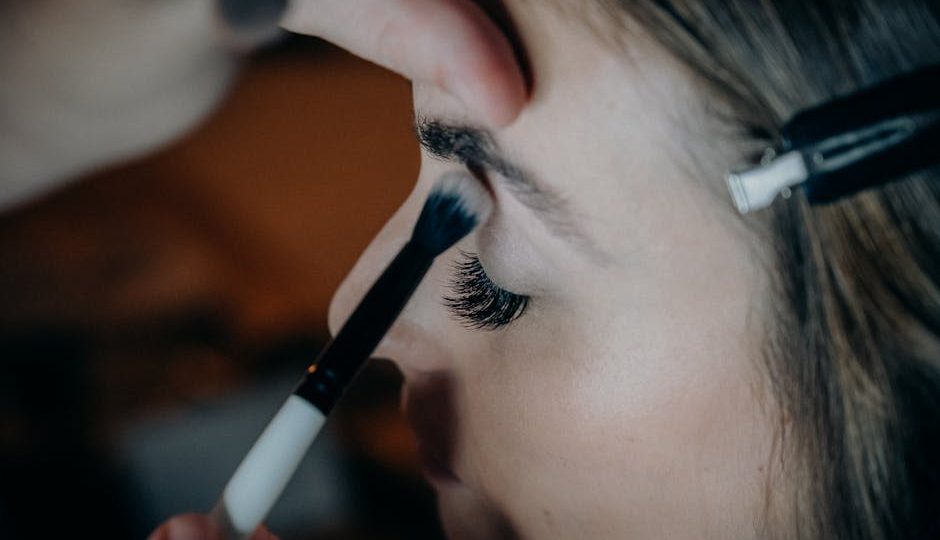
Best Eye Makeup Tutorial for Beginners 2024: Step-by-Step Application Guide
Think of your eye makeup as the focal point of a larger portrait where your hair acts as the frame. Just as a stylist considers the volume and texture of your hair to balance your face shape, a beginner must view the eyelid as a canvas that requires structural integrity before any pigment is applied. You only need three specific brushes and two shades of eyeshadow to create a professional-looking eye; everything else you see in massive kits is often unnecessary for a daily look. Most beginners fail because they buy too many products without understanding the mechanics of how shadow adheres to the skin. If you focus on eyelid preparation and the physical motion of blending rather than the number of colors you own, your results will improve immediately. Quality eye makeup is about the gradient, not the pigment density. Starting with a clean, primed surface is the single most important factor in preventing the muddy, greyish look that often plagues first-time users. Furthermore, understanding how your eye makeup interacts with your hair color and eyebrow shape—the primary elements of hair care and grooming—will ensure a cohesive aesthetic that looks intentional rather than accidental.
Essential Tools and Products for Beginner Eye Makeup
Before you even touch a palette, you have to understand that your fingers are rarely the best tool for detail work, though they work well for cream shadows. For powder, which is what most beginners should start with, you need a specific set of tools. High-quality brushes do not have to be expensive, but they must have the right density. If a brush is too floppy, it won’t pick up pigment. If it is too stiff, it will scratch your eyelid and leave streaks. You are looking for a balance of soft synthetic fibers that mimic natural hair. This ensures the product is deposited evenly across the varied texture of the eyelid skin. Additionally, the weight of the brush handle matters; a balanced brush allows for better control during the “windshield wiper” motions required for seamless blending.
Must-Have Brushes for Your Starter Kit
The Real Techniques Everyday Eye Essentials Set (approximately $19.99) is the most logical starting point for any beginner. This set includes eight pieces, but the core tools are the shading brush, the crease brush, and the fine liner brush. Pro: The synthetic bristles are 100% cruelty-free, incredibly easy to clean, and don’t shed even after multiple washes. Con: The handles are somewhat bulky and rubberized at the base, which can make storage in small, slim makeup bags a bit tight. You specifically need a tapered blending brush—this is the tool that does 90% of the work. It has a rounded head that fits perfectly into the hollow of your eye socket, allowing you to create a shadow effect that mimics natural depth. Another essential is the flat shader brush, which is used to pack color onto the lid without it scattering everywhere.
Choosing Your First Eyeshadow Palette
For your first palette, avoid the 50-shade rainbow sets. You will likely only use four of those colors, and the quality of large, cheap palettes is often subpar, leading to “chalky” application. Instead, look for something like the Maybelline Nudes of New York Palette (around $13.99). Specs: 16 highly pigmented shades ranging from matte to shimmer. Pro: The formula is specifically designed to suit all skin tones and has very little ‘fallout’—that annoying dust that lands on your cheeks. Con: The packaging is plastic and lacks a mirror, which can be inconvenient for travel or quick touch-ups. A good beginner palette should have a mix of matte and shimmer finishes. Matte shades are for shaping the eye and creating depth, while shimmers are for highlighting the center of the lid to make the eyes appear more open and awake.
| Product Type | Recommended Brand | Approximate Price | Key Benefit | Best For |
|---|---|---|---|---|
| Eyeshadow Primer | Urban Decay Primer Potion | $27.00 | Prevents creasing for 24 hours | Oily eyelids |
| Neutral Palette | ColourPop Going Coconuts | $14.00 | High pigment at a low price | Everyday wear |
| Blending Brush | MAC 224S Tapered Brush | $28.00 | The gold standard for blending | Seamless gradients |
| Drugstore Mascara | L’Oreal Lash Paradise | $12.99 | Instant volume and length | Sparse lashes |
| Precision Liner | NYX Epic Ink Liner | $10.00 | Waterproof and very sharp | Winged liner looks |
Step-by-Step Natural Eye Makeup Application for Beginners
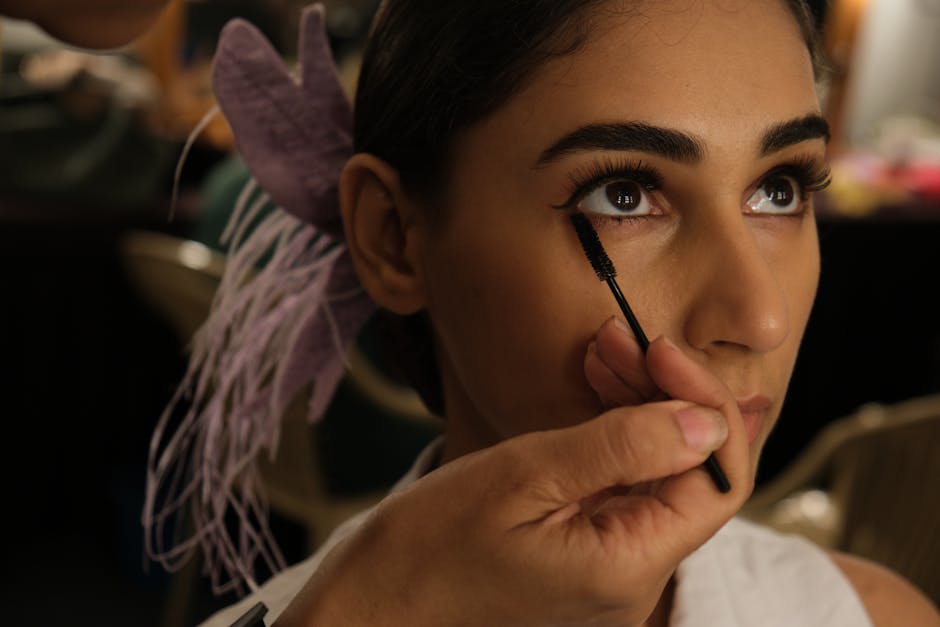
The process of applying eye makeup is architectural. You are building a structure from the base up. Many people make the mistake of starting with the darkest color, but that makes blending almost impossible. You want to start with your ‘transition’ shade. This is a color that is only one or two shades darker than your actual skin tone. It acts as a bridge between your skin and the darker colors you might add later. Without a transition shade, your makeup will look like a sticker slapped onto your face rather than a natural enhancement of your features. Think of this as the “foundation” of your eye look, similar to how a base coat works in hair coloring to ensure the final hue is rich and even.
Preparing the Canvas
Apply a tiny amount of Urban Decay Eyeshadow Primer Potion. Specs: 0.33 fl oz tube with a flocked wand applicator. Pro: It creates a velcro-like surface that holds pigment in place and makes colors look more vibrant. Con: It dries relatively quickly, so you have to blend it out fast to avoid patches. If you don’t want to buy a dedicated primer, a thin layer of concealer set with a translucent powder works similarly. The goal is to create a dry, even-toned surface. If your eyelids are oily, your eyeshadow will migrate into the creases of your lids within two hours. Setting the base ensures that the powder can glide across the skin without catching on damp spots. This preparation is just as vital as using a heat protectant in hair care; it protects the integrity of the work you are about to do.
- The Transition Shade: Use your fluffy blending brush. Dip it into a light tan or mauve matte shade. Tap the handle against your wrist to shake off the excess—this is vital to prevent mess. Swirl the brush in the ‘crease’ of your eye (the fold where your eyelid meets your brow bone). Use a windshield-wiper motion, moving back and forth from the inner to the outer corner. Do this until there are no visible edges and the color fades softly into your skin.
- Defining the Outer Corner: Switch to a slightly smaller, denser brush, often called a “pencil brush” or “tapered crease brush.” Pick up a medium brown shade. Press this into the outer ‘V’ of your eye (the corner furthest from your nose). Don’t rub yet; just press the color down to establish the pigment. Once the color is placed, take your first fluffy brush and lightly swirl over the edges to marry the two colors. This creates the illusion of a more almond-shaped, lifted eye.
- Adding Light to the Lid: Use your ring finger for this step rather than a brush. The natural oils and warmth of your skin help the shimmer particles adhere better. Pick up a shimmer shade—champagne, rose gold, or light gold works best. Press it directly onto the center of your eyelid. This “pop” of light draws attention to the iris and makes you look more rested.
- Highlighting the Brow Bone: Take the lightest matte shade in your palette—something close to a cream or vanilla color—and apply it just under the arch of your eyebrow. This provides a “lifted” effect to the brow, which is essential if you have hair styled in bangs or layers that frame the face. Finally, add a tiny dot of the same color to the very inner corner of your eye near the tear duct to brighten the entire face.
Preparation is the difference between makeup that looks professional and makeup that looks messy by noon. Never skip the primer step, especially if you have hooded eyes where the skin overlaps the lid.
The Connection Between Hair Color and Eye Makeup
In the world of beauty and hair care, harmony is achieved through balance. Your hair color significantly influences how eye makeup appears on your face. For example, individuals with very dark or black hair can carry intense, saturated eyeshadow colors like charcoal or deep navy without looking “overdone.” However, if you have platinum blonde or light red hair, these same colors might look too harsh for a daytime look. In such cases, switching to “soft” versions of these colors—like espresso brown instead of black, or slate grey instead of charcoal—maintains the drama while respecting your natural coloring.
Furthermore, the way you style your hair can dictate your eye makeup strategy. If you wear heavy bangs that cover your forehead, your eyes are already in deep shadow. To counteract this, you should use brighter, more reflective shimmer shades on the lid to ensure your eyes don’t get “lost” under your hair. If you wear your hair pulled back in a sleek ponytail, your eyes and bone structure are fully exposed, making this the perfect time to experiment with more detailed blending or a sharper eyeliner wing. Hair care isn’t just about the strands on your head; it’s about how those strands frame the features you are highlighting with makeup.
Troubleshooting Common Eye Makeup Issues for New Users
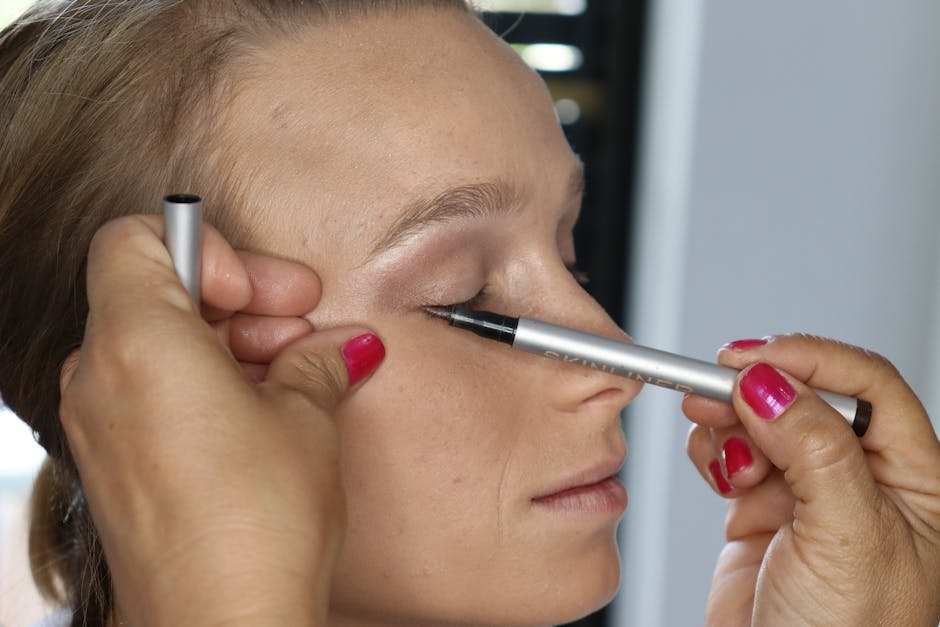
Even with the best tools, things can go wrong. One of the most frequent complaints from beginners is ‘fallout.’ This happens when loose powder drops from the brush onto the undereye area, creating dark circles or sparkles where you don’t want them. To prevent this, always tap your brush on the edge of the palette before it touches your face. If you still get fallout, don’t wipe it with your finger—that will smear the pigment into your skin. Use a clean, dry spoolie brush or a large, fluffy powder brush to gently flick the particles away. Some people prefer to do their eye makeup first and their foundation second for this very reason, allowing them to wipe the face clean before applying base products.
Fixing Over-Blending and Muddy Colors
If you blend too much, all your colors will merge into one muddy grey-brown mess. This happens when you use a brush that is too large or when you apply too much pressure. Your touch should be as light as a feather; you are barely grazing the skin. If you notice your colors are disappearing, stop. You can always add more pigment, but taking it away is difficult. If the look becomes too dark, take a clean brush with a bit of skin-toned powder (or even your face powder) and buff the edges. This acts like an eraser, softening the intensity without ruining the shape you’ve created. It is also helpful to keep a paper towel nearby to wipe your brushes between colors if you only have one or two tools to work with.
Managing Eyeliner and Mascara Smudges
Eyeliner is often the most intimidating part of the routine. For beginners, skip the liquid liner entirely. It requires a steady hand and a level of muscle memory that takes months to develop. Instead, use a dark brown eyeshadow and a flat angled brush. Press the shadow into your lash line as close to the roots as possible. It gives the appearance of thicker lashes without the harsh, shaky line of a liquid pen. If you decide to use a pencil like the NYX Mechanical Eyeliner (approx $6.50), make sure it is fresh. Pro: It’s very creamy and easy to smudge for a smoky look. Con: It can smudge on its own if you have watery eyes or haven’t set it with a bit of powder. If you get mascara on your eyelid, wait for it to dry completely—do not touch it while wet. Once dry, it will flake off easily with a dry cotton swab without ruining the eyeshadow underneath.
Selecting Eye Makeup Shades for Different Skin Undertones
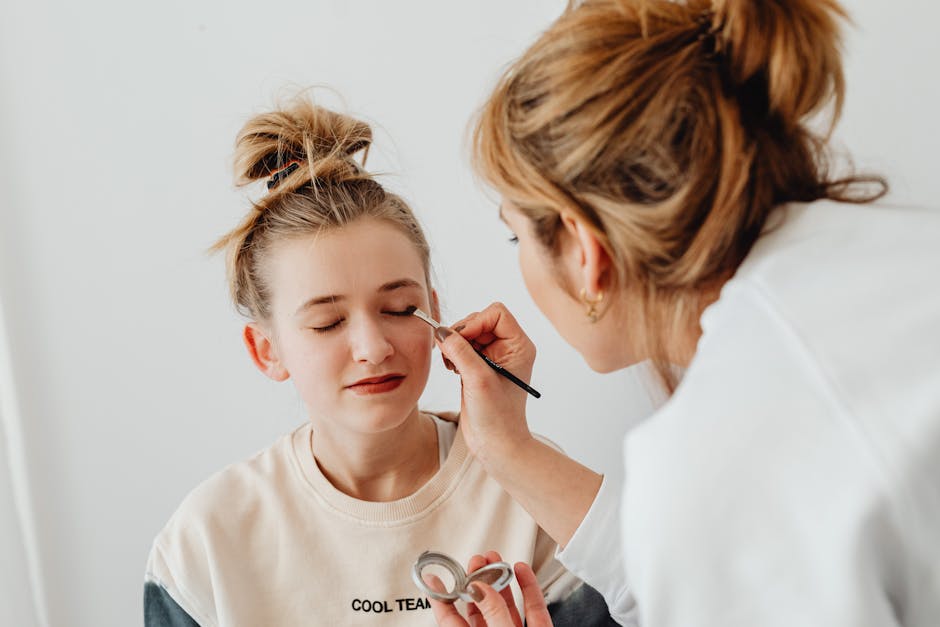
Color theory sounds complicated, but for eye makeup, it’s quite simple: you want colors that contrast with your eye color to make them ‘pop,’ and colors that harmonize with your skin undertone so they don’t look sickly. If you have cool-toned skin (your veins look blue or purple, and silver jewelry looks best), you should reach for taupes, greys, and cool purples. If you have warm-toned skin (your veins look green, and gold jewelry looks best), go for bronzes, terracotta, and warm golds. Neutral skin tones can usually pull off both, but often look best in ‘champagne’ or ‘nude’ tones that sit right in the middle of the temperature scale.
Matching Shadow to Your Eye Color
While you can wear any color you like, certain shades are scientifically proven to enhance specific iris colors. This is based on the color wheel. For example, blue and orange are opposites. Therefore, blue eyes look most striking when paired with warm copper or bronze tones. The orange tones in the copper make the blue of the eye appear more vivid. Green eyes are complemented by red-based tones like burgundy, plum, or rose gold. Brown eyes are the most versatile; because brown is a neutral mix of all primary colors, almost any shade works, though navy blue and rich purples provide a particularly beautiful contrast. Grey eyes often change depth depending on what they are paired with; silver and charcoal make them look more blue, while soft browns can bring out green flecks.
- Blue Eyes: Copper, Gold, Warm Brown, Peach, Terracotta.
- Green/Hazel Eyes: Mauve, Plum, Burgundy, Deep Forest Green, Amethyst.
- Brown Eyes: Navy, Teal, Amber, Rich Chocolate, Royal Purple.
- Grey Eyes: Charcoal, Cool Blue, Silver, Soft Pink, Slate.
Long-Term Maintenance: Cleaning Your Brushes
In the same way that you wouldn’t go weeks without washing your hair, you cannot go weeks without cleaning your makeup brushes. Dirty brushes are the primary cause of “muddy” makeup because old pigment mixes with the new colors. Furthermore, brushes collect oils from your skin and bacteria, which can lead to eye infections or breakouts around the orbital bone. Aim to wash your blending brushes at least once a week using a gentle shampoo or a dedicated brush cleanser like the EcoTools Makeup Brush + Sponge Shampoo ($7.99). Pro: It is dermatologist-tested and hypoallergenic. Con: It requires a thorough rinse to ensure no residue is left behind. After washing, always lay your brushes flat to dry; if you stand them upright while wet, water will seep into the ferrule (the metal part) and dissolve the glue, causing the bristles to fall out.
The journey from a beginner to someone who can apply eye makeup in five minutes is simply a matter of muscle memory and understanding your own anatomy. Don’t be afraid to wash it off and start over. Most of the ‘expert’ looks you see online are the result of layers of blending and correction. By mastering the transition shade and the outer-V placement, you have the foundation for 90% of all eye makeup looks, from a simple office day to a more dramatic evening event. Stick to the basics, invest in a few high-quality brushes, and always remember to tap off the excess powder before you apply. These small habits, combined with an understanding of how your hair and skin tones interact, are what build the bridge between a messy application and a polished, professional finish.