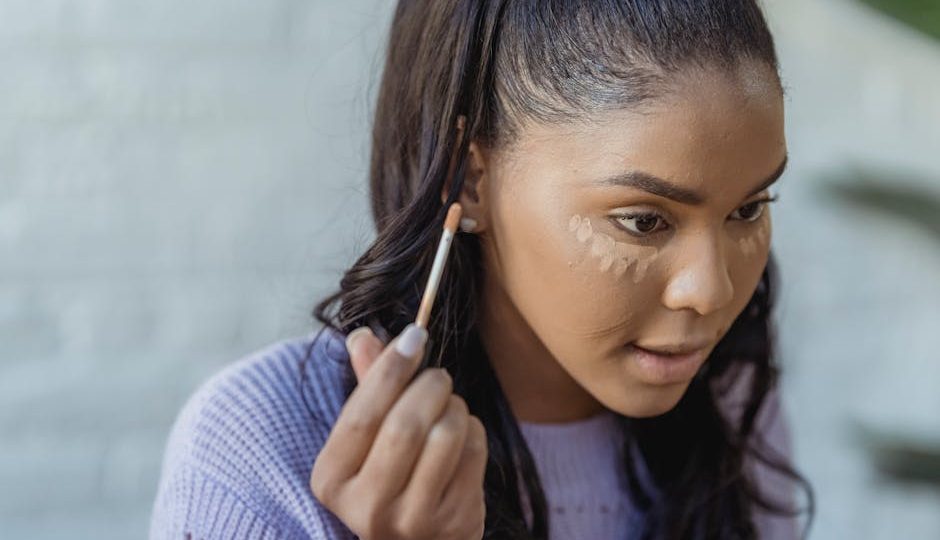
Best Foundation Coverage for Mature Skin 2024: Professional Selection Criteria
Optimal foundation selection for mature skin requires a departure from high-pigment, matte-finish protocols in favor of medium-coverage, light-diffusing formulas. Data indicates that as the skin ages, the dermis thins and sebum production decreases, leading to a loss of natural luminosity and an increase in surface texture. The most effective approach for complexions over fifty is a buildable, emollient-based liquid that prioritizes hydration over opacity. Heavy, full-coverage foundations frequently fail on mature skin because the high powder-to-emollient ratio causes the product to migrate into fine lines and exacerbate the appearance of xerosis (dryness). For those seeking a professional recommendation, the priority should be products that utilize advanced pigment-coating technology and light-refractive particles to create an optical blur rather than a physical mask.
Identifying the Optimal Coverage Level for Aging Skin Textures
The transition from young to mature skin involves a physiological shift in how the surface interacts with light. In younger complexions, the skin surface is relatively smooth, allowing for specular reflection—a mirror-like bounce of light. As collagen and elastin degrade, the skin develops micro-textures and uneven topography. This results in diffuse reflection, where light scatters in multiple directions, often highlighting shadows within wrinkles. To counteract this, foundation coverage must be strategically selected to fill micro-voids without accumulating in deeper structural folds. Medium coverage is generally considered the standard for mature skin because it offers enough pigment to neutralize age spots (lentigines) and telangiectasia (visible broken capillaries) while maintaining a skin-like transparency.
When evaluating coverage, one must consider the viscosity and the carrier agents used in the formulation. Water-in-silicone emulsions are frequently preferred for their ability to glide over uneven surfaces. These formulas provide a flexible film that moves with the face, reducing the risk of cracking or “caking” throughout the day. Conversely, high-alcohol or high-clay formulas, common in matte or full-coverage products, should be avoided. These ingredients can strip the remaining lipids from the skin barrier, leading to a parched appearance within hours of application. The goal is to achieve a “second skin” effect where the product acts as a temporary smoothing layer that supplements the skin’s natural moisture levels.
Furthermore, the choice of coverage is influenced by the presence of hyperpigmentation. Many users mistakenly believe that full-coverage foundation is the only solution for dark spots. However, layering a medium-coverage foundation with a targeted high-pigment concealer only on specific areas provides a more natural result. This technique, often referred to as “pinpoint concealing,” allows the majority of the face to remain lightly covered, preserving the natural vitality of the skin. A heavy layer of foundation across the entire face often flattens the facial dimensions, making the user appear older by erasing the natural highlights and shadows that define bone structure.
Comparative Analysis of High-Performance Foundations for Mature Skin
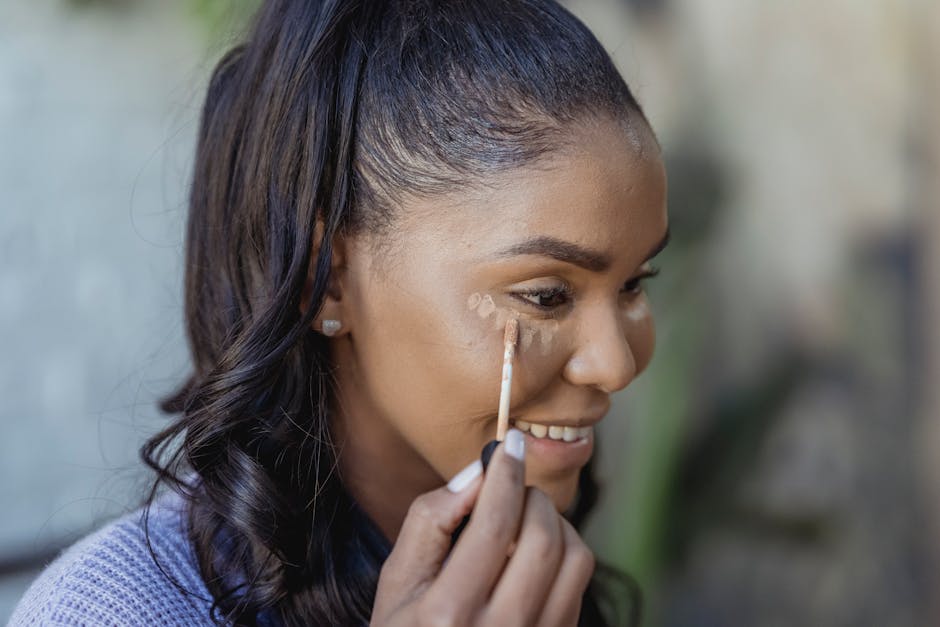
The following table provides a technical comparison of five industry-leading foundations frequently utilized by professional makeup artists for mature clientele. These products were selected based on their ingredient profiles, finish longevity, and ability to resist settling into dynamic expression lines.
| Product Name | Approx. Price | Primary Coverage | Key Pros | Key Cons |
|---|---|---|---|---|
| Giorgio Armani Luminous Silk | $69.00 | Medium (Buildable) | Micro-fil technology; weightless feel; exceptional light diffusion. | Higher price point; lacks SPF protection. |
| IT Cosmetics Your Skin But Better CC+ | $47.00 | Full | High SPF 50; contains collagen, peptides, and hyaluronic acid. | Can feel heavy if too much is applied; limited shade range for some. |
| Lancôme Teint Idole Ultra Wear Care & Glow | $57.00 | Medium | 82% glow-boosting serum base; transfer-resistant; 24h wear. | Strong floral fragrance may irritate sensitive skin. |
| Koh Gen Do Maifanshi Aqua Foundation | $77.00 | Sheer to Medium | Mineral-rich water base; mimics the look of post-facial skin. | Very expensive; low coverage for significant hyperpigmentation. |
| Neutrogena Healthy Skin Liquid Makeup | $15.00 | Light to Medium | Antioxidant blend; accessible price; very natural finish. | Glass bottle lacks a pump; lower longevity than luxury options. |
Technical Breakdown of Ingredients
When examining these products, the presence of specific humectants and emollients is non-negotiable. Hyaluronic acid is a common inclusion, acting as a moisture magnet to plump the skin surface temporarily. However, for mature skin, the molecular weight of the hyaluronic acid matters; lower molecular weights penetrate deeper, while higher weights sit on the surface to provide an immediate smoothing effect. Niacinamide (Vitamin B3) is another critical component found in the IT Cosmetics and Lancôme formulas, which serves to improve skin elasticity and redness over time. When selecting a foundation, the presence of these skincare actives turns the makeup into a functional extension of the morning skincare routine.
The use of light-reflecting minerals, such as mica or bismuth oxychloride, is also prevalent in mature-skin foundations. These minerals work by redirecting light away from shadows. However, users with significant texture or enlarged pores should be cautious of formulas with high mica content, as excessive shimmer can inadvertently highlight the very irregularities the user intends to conceal. The Giorgio Armani Luminous Silk foundation is often cited as the gold standard because it avoids large shimmer particles, instead using “micro-fil” technology to drape the skin in a silk-like veil that diffuses light evenly across the entire surface.
The Synergy Between Hair Color Shifts and Foundation Undertones
In the context of holistic beauty, the relationship between hair color and foundation selection is often overlooked. As individuals age, hair frequently loses its natural pigment, transitioning to gray, silver, or white. This loss of melanin in the hair follicles is often accompanied by a cooling of the skin’s natural undertone. A foundation that matched perfectly when the hair was brunette or blonde may appear too warm or “orange” once the hair has turned silver. This necessitates a re-evaluation of the foundation’s base temperature—shifting from warm/golden to neutral or cool/pink undertones to maintain a harmonious appearance.
The texture of the hair also plays a role in how foundation coverage is perceived. Thicker, more voluminous hair provides a frame that can support a slightly more structured makeup look. Conversely, as hair thins—a common occurrence in mature individuals—the face becomes the primary focus. In these instances, the foundation must be even more seamless. If the hair is fine or sparse, a heavy foundation creates a harsh contrast that looks artificial. A lightweight, luminous finish allows the skin to look healthy and vibrant, which complements the softness of thinning or silver hair.
Professional Tip: When matching foundation to a face framed by silver hair, test the shade on the jawline in natural daylight. If the foundation appears yellow against the white/gray hair, it will create a sallow appearance. Opt for a shade with a neutral or slightly rosy undertone to bring life back to the complexion.
Furthermore, the scalp and hairline require attention during foundation application. As the hairline recedes or hair thins at the temples, foundation lines become more visible. It is imperative to blend the foundation thoroughly into the hairline using a damp sponge. Any buildup of product in the fine hairs at the edge of the face will be immediately apparent and can lead to a “mask-like” effect. Using a sheerer coverage near the perimeter of the face while concentrating the medium coverage in the center (where redness and pigmentation are most common) ensures a natural transition between the skin and the hair.
Application Protocols to Prevent Product Settling and Migration
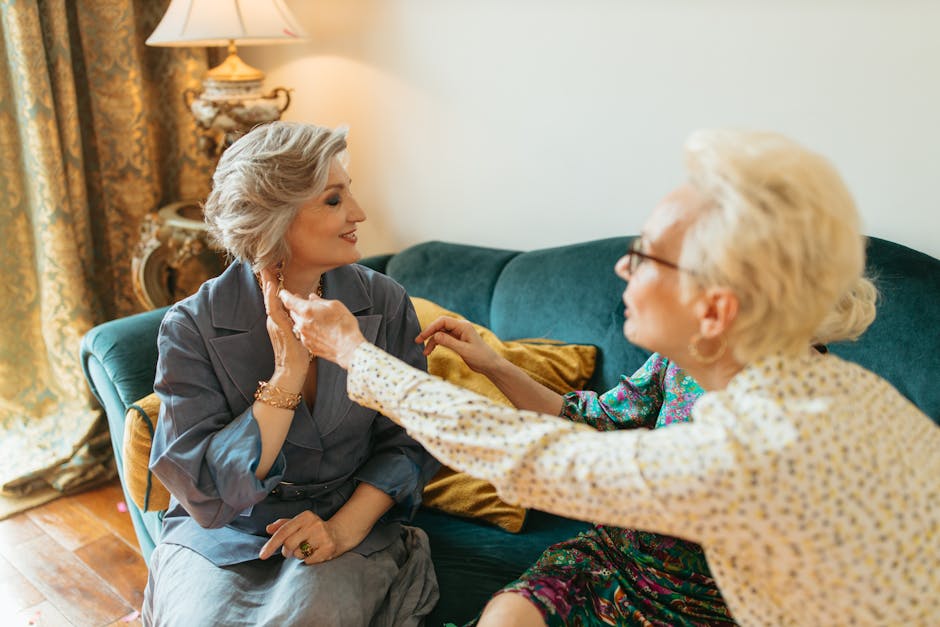
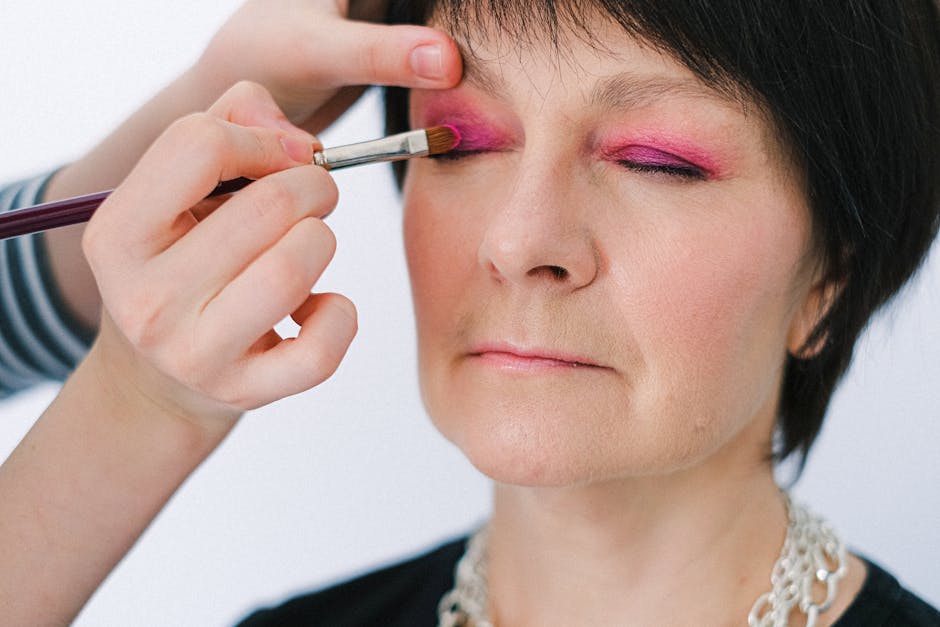
The efficacy of even the most advanced foundation formula is dependent on the application technique. For mature skin, the goal is to use the least amount of product necessary to achieve the desired coverage. The “less is more” philosophy is not merely a cliché; it is a technical requirement. Excessive product volume is the primary cause of settling into the nasolabial folds and periorbital lines (crow’s feet). By starting with a thin layer and only adding more where needed, the user maintains the skin’s flexibility.
- Preparation: Begin with a clean, exfoliated surface. Mature skin often has a buildup of dead skin cells that can cause foundation to look flaky. Use a gentle chemical exfoliant (like lactic acid) followed by a rich moisturizer. Wait at least five minutes for the skincare to absorb before applying makeup.
- Priming: Use a hydrating primer rather than a mattifying one. Look for formulas containing glycerin or dimethicone to fill in fine lines and create a smooth canvas. Avoid primers with high alcohol content.
- Tool Selection: A damp beauty sponge is generally superior to a brush for mature skin. The moisture in the sponge helps to sheer out the foundation and press it into the skin, rather than letting it sit on top. If using a brush, opt for a duo-fiber stippling brush to avoid streaking.
- Application: Apply foundation starting at the center of the face and blend outward. This is where most people require the most coverage. Use a tapping motion (stippling) rather than a rubbing motion to ensure the product fills the micro-textures of the skin.
- Setting: Avoid heavy loose powders, which can suck the moisture out of the foundation. Instead, use a finely milled pressed powder only on the T-zone or a hydrating setting spray to lock the product in place without adding texture.
The final consideration in the application process is the management of the under-eye area. The skin under the eyes is the thinnest on the entire body and is the first to show signs of aging. Applying foundation directly under the eyes often results in a heavy, wrinkled appearance. It is more effective to bring the foundation up only to the orbital bone and use a lightweight, light-reflecting concealer specifically formulated for the eyes to handle any darkness. This keeps the product load to a minimum in the most delicate areas of the face. By following these protocols, the integrity of the foundation coverage is maintained throughout the day, providing a consistent, professional finish that enhances rather than hides the mature complexion.