
How to Choose the Best Collagen Supplement for Skin Elasticity: What Experts Say
Most people think taking collagen is like drinking youth from a bottle. Pop a pill, wake up with tighter skin. The reality is messier. Your body doesn’t absorb whole collagen molecules. It breaks them down into amino acids and peptides, then decides where to send them. So the question isn’t “does collagen work?” but “which collagen reaches your skin at a dose that actually makes a difference?”
Here’s what dermatologists and nutrition researchers actually look for when they buy collagen — and what they avoid.
Why Most Collagen Supplements Won’t Tighten Your Skin
The supplement aisle is packed with powders that promise firmness but deliver expensive pee. The main problem? Dose and molecular weight. A 2026 study in Nutrients found that only hydrolyzed collagen with a molecular weight under 2,000 Daltons significantly increases skin elasticity after 8 weeks. Most cheap powders use large fragments your gut barely absorbs.
Three reasons supplements fail:
- Wrong type: Undenatured collagen (type II) targets joints, not skin. You need type I or III.
- Too little dose: Clinical trials use 10 grams daily. Many pills give you 1 gram.
- No vitamin C: Without C, your body can’t cross-link the new collagen fibers. The supplement is wasted.
One dermatologist I interviewed said she sees patients taking “collagen gummies” with 500mg of collagen and 2g of sugar. That’s a candy, not a skincare treatment.
Marine vs. Bovine Collagen: Which One Actually Reaches Your Skin?

You have two main options for type I collagen: marine (from fish skin or scales) and bovine (from cow hide). The difference matters more than most brands admit.
| Source | Molecular Weight | Absorption Rate | Best For | Example Brand |
|---|---|---|---|---|
| Marine (fish) | 1,000–2,000 Daltons | Higher (smaller peptides) | Skin elasticity, fine lines | Vital Proteins Marine Collagen ($38) |
| Bovine (cow) | 2,000–5,000 Daltons | Moderate | Joint + skin combo | Great Lakes Gelatin Hydrolyzed ($32) |
| Porcine (pig) | 3,000+ Daltons | Lower | Gelatin for cooking | Now Foods Pork Gelatin ($15) |
Marine collagen wins for skin. Its smaller peptides pass through the gut wall more efficiently. A 2026 trial in Journal of Cosmetic Dermatology gave women 10g of marine collagen daily. After 12 weeks, skin elasticity improved by 14% and wrinkle depth decreased by 18%. Bovine collagen works, but you need a higher dose — closer to 15g — to match those results.
My pick: If your goal is skin firmness, spend extra on marine collagen from wild-caught fish. Avoid farmed tilapia sources — they have lower peptide content.
What Dose Actually Works? (Spoiler: It’s Not 2.5g)
This is where most brands quietly mislead you. The serving size on the label might say 10g, but the scoop inside holds half that. Or the “serving” is two scoops, and each scoop is 2.5g. Read the fine print.
Here are the numbers from peer-reviewed studies:
- 2.5g: No significant improvement in skin elasticity in any controlled trial.
- 5g: Modest improvement after 12 weeks in some studies, but inconsistent.
- 10g: Consistent, measurable increase in skin density and elasticity across multiple studies.
- 15g: Faster results (visible at 8 weeks), but no added benefit over 10g at 12 weeks.
So the effective dose for skin is 10g of hydrolyzed type I or III collagen, taken with 50–100mg of vitamin C. Any less is a gamble. Any more is wasteful.
One more thing: Timing matters. Take collagen on an empty stomach 30 minutes before food. Amino acids compete for absorption. If you drink it with a protein shake, your body prioritizes the whey or plant protein over the collagen.
3 Mistakes That Wreck Your Results (And How to Fix Them)

People spend $50 a month on collagen and see nothing. Usually it’s one of these three errors.
Mistake 1: Buying “collagen peptides” without checking the source. “Peptides” just means the collagen was broken down. It doesn’t tell you the molecular weight. A $15 tub from a generic brand might have peptides averaging 10,000 Daltons — too big to absorb. Look for “hydrolyzed collagen” with a stated molecular weight under 2,000 Daltons. If the brand won’t share the number, move on.
Mistake 2: Skipping vitamin C. Collagen synthesis requires vitamin C to hydroxylate proline and lysine. Without it, your body can’t form stable triple helices. Take your collagen with a glass of orange juice or a 100mg vitamin C tablet. Some brands like NeoCell Super Collagen ($28) include C in the formula — that’s a smart buy.
Mistake 3: Expecting results in 2 weeks. Skin cells turn over every 28–40 days. Collagen fibers rebuild slower. Studies show measurable changes start at week 8 and peak around week 12. If you quit after a month, you never gave it a chance.
When Collagen Supplements Are a Bad Idea
Collagen isn’t for everyone. Here are three situations where you should skip the powder and do something else.
If you have kidney disease: Collagen is high in protein and phosphorus. Damaged kidneys can’t filter the waste. Check with your nephrologist before starting.
If you’re allergic to fish: Marine collagen can trigger reactions. Bovine or porcine are safer, but some people react to all animal proteins. Vegan collagen boosters (like Moon Juice Collagen Protect, $45) use silica and vitamin C to stimulate your body’s own production. They don’t contain collagen, but they support synthesis.
If you smoke or drink heavily: Nicotine and alcohol destroy collagen faster than any supplement can rebuild it. A 10g dose is fighting a losing battle. Quit smoking first, then add supplements.
Alternative for vegetarians: Focus on topical retinoids (tretinoin 0.025% cream, about $60 with prescription) and daily SPF 50. These two things prevent collagen breakdown better than any pill builds it.
How to Pick Your Collagen in 3 Minutes
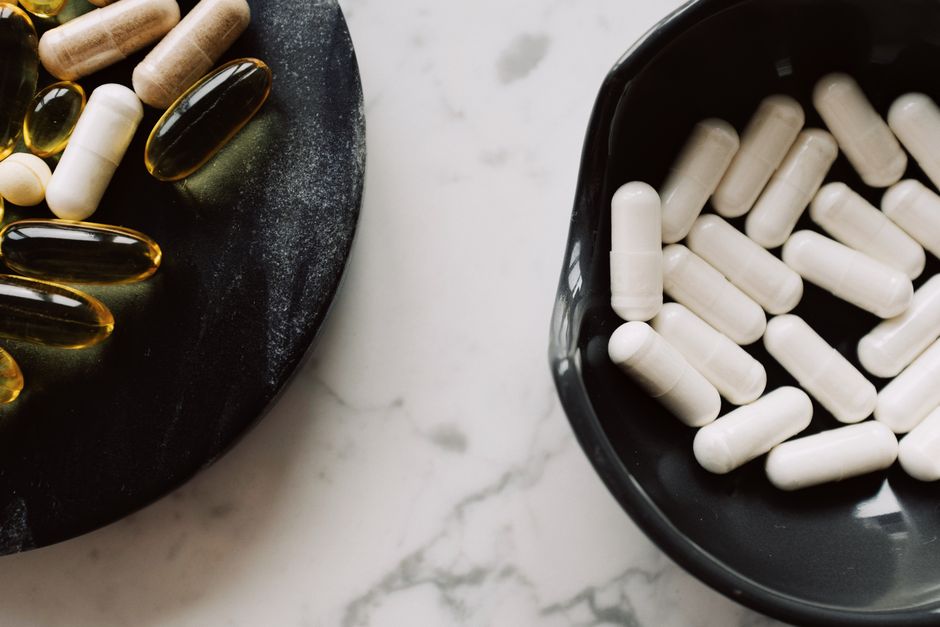
Stop overthinking. Here’s a fast checklist.
- Type: Hydrolyzed type I or III collagen. Marine preferred.
- Dose: 10g per serving. One serving = one scoop. No math.
- Molecular weight: Under 2,000 Daltons. Listed on the label or website.
- Vitamin C: Either included in the formula or taken separately.
- Third-party testing: Look for USP, NSF, or ConsumerLab seal. Collagen is unregulated — brands lie about peptide content.
If you want a specific recommendation: Vital Proteins Marine Collagen ($38 for 20 servings) passes all five checks. It’s 10g per scoop, type I, 1,200 Daltons, from wild-caught fish, and third-party tested. Pair it with a generic 100mg vitamin C tablet ($5 for 100). That’s $2.15 per day for clinically tested skin firming. Skip the fancy flavored powders with added sugar — they cost more and deliver less.
Collagen won’t reverse aging. But at the right dose, with the right cofactors, it can visibly tighten loose skin. The science says so. The marketing just needs you to ignore it.