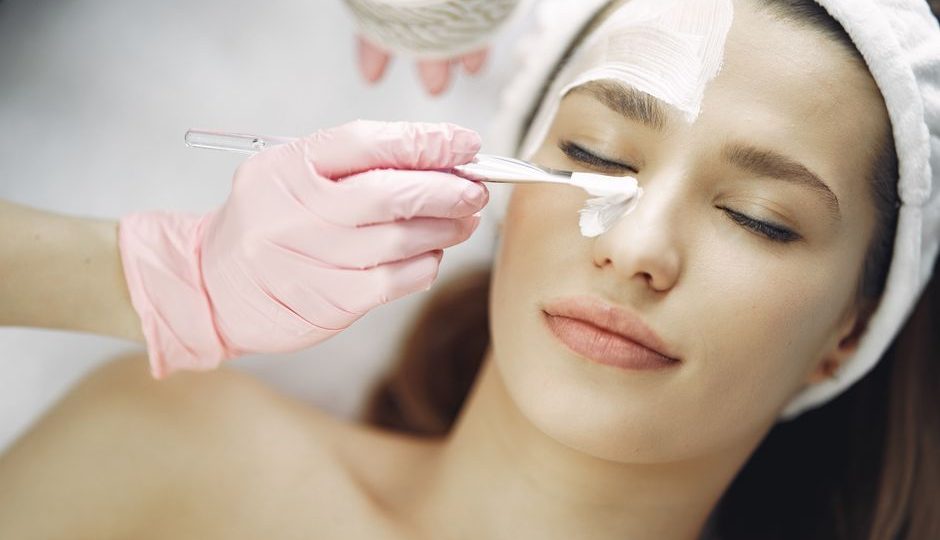
What Anti Aging Cream Kya Hota Hai — The Real Breakdown
Here’s a number that stopped me: the global anti-aging skincare market hit $66.2 billion in 2026. That’s more than the GDP of some small countries. And most of that money is spent on creams that do exactly nothing. So what is anti aging cream kya hota hai, and how do you separate the actual science from the $200 jar of fancy water?
This article is a straight-talking breakdown. No affiliate links. No brand deals. Just the facts on what these creams are, what they cost, and whether you should bother.
What Exactly Is Anti Aging Cream? (The First-Principles Answer)
At its core, an anti-aging cream is a moisturizer with added active ingredients that target visible signs of skin aging. That’s it. The problem it solves is not “aging” itself — it’s the visual side effects: fine lines, wrinkles, loss of firmness, uneven tone, and dryness.
Your skin ages through two main mechanisms. Intrinsic aging is genetic and unavoidable — it’s why everyone eventually gets some fine lines. Extrinsic aging is sun damage, pollution, smoking, and lifestyle. UV exposure alone causes up to 80% of visible facial aging. That’s the part a cream can actually address, but only if it contains ingredients that do something real.
What a Cream Can and Cannot Do
Can do: stimulate collagen production (retinoids), protect from oxidative stress (antioxidants), hydrate the outer layer (humectants), and temporarily plump lines (silicones and peptides).
Cannot do: reverse deep wrinkles, tighten sagging skin, or replace a facelift. If a tube promises “dramatic lifting” or “instant facelift,” that’s marketing, not physiology.
Most people buy anti-aging creams expecting results in 2 weeks. Real collagen remodeling takes 12 to 24 weeks of consistent use. The industry knows this — they just don’t say it on the box.
The Ingredient Shortlist That Actually Works
Walk into any drugstore and you’ll see 50+ creams claiming to fight aging. Maybe 10 of them have ingredients proven in peer-reviewed studies. Here’s the shortlist, with specific examples and what they cost.
Retinoids (Vitamin A Derivatives)
This is the gold standard. Retinol, retinaldehyde, and prescription tretinoin all work by accelerating cell turnover and stimulating collagen. A 2026 meta-analysis in the Journal of the American Academy of Dermatology found that 0.05% tretinoin reduced fine wrinkles by 44% over 24 weeks.
Real products: The Ordinary Retinol 0.5% in Squalane ($6.50), Neutrogena Rapid Wrinkle Repair Retinol Pro+ ($24.99), La Roche-Posay Redermic R Retinol Serum ($45).
Vitamin C (L-Ascorbic Acid)
An antioxidant that neutralizes free radicals from UV and pollution. It also inhibits melanin production (brightening) and supports collagen synthesis. The catch: L-ascorbic acid degrades in light and air. Look for opaque, airless pump bottles.
Real products: CeraVe Skin Renewing Vitamin C Serum ($19.99), SkinCeuticals C E Ferulic ($182 — expensive but the most studied formula), The Ordinary Ascorbic Acid 8% + Alpha Arbutin 2% ($12.50).
Peptides and Hyaluronic Acid
Peptides are short chains of amino acids that signal skin to produce more collagen. They’re less potent than retinoids but gentler. Hyaluronic acid is a humectant that holds 1,000 times its weight in water — it plumps lines temporarily.
Real products: Olay Regenerist Micro-Sculpting Cream ($28.99) uses amino-peptides. CeraVe Moisturizing Cream ($15.99) contains ceramides and hyaluronic acid.
| Ingredient | What It Does | Time to See Results | Price Range (US) |
|---|---|---|---|
| Retinol (0.25%-1%) | Stimulates collagen, speeds cell turnover | 12-24 weeks | $6 – $50 |
| Vitamin C (10-20%) | Antioxidant, brightens, supports collagen | 8-12 weeks | $12 – $180 |
| Peptides | Signals collagen production | 8-16 weeks | $15 – $70 |
| Hyaluronic Acid | Hydrates, temporarily plumps lines | Immediate (temporary) | $8 – $40 |
Why Most Anti Aging Creams Are a Waste of Money
Rough estimate: 70% of anti-aging creams on the market contain either no active ingredients at the right concentration, or they contain them in a formulation that doesn’t penetrate the skin. The result? You’re paying $50 for a $5 moisturizer with fancy packaging.
Here are the three biggest failure modes.
Failure mode #1: Wrong concentration. A cream that lists “retinol” but doesn’t tell you the percentage is likely using a trace amount — enough to put on the label, not enough to work. Look for 0.25% retinol minimum. For vitamin C, you need 10% L-ascorbic acid at a pH below 3.5.
Failure mode #2: Poor packaging. Vitamin C in a jar? That’s useless. The ingredient oxidizes within days of opening. Retinol in a clear bottle? Same problem. Airless pumps or opaque tubes are non-negotiable for active ingredients.
Failure mode #3: Mixing actives wrong. Layering retinol with benzoyl peroxide or AHA/BHA acids on the same night causes irritation, not better results. You end up with red, peeling skin and blame the cream — but it’s your routine that’s broken.
When NOT to Buy Anti Aging Cream
This might sound strange coming from a skincare writer, but there are clear situations where buying an anti-aging cream is the wrong move.
If You’re Under 25 and Have No Visible Signs
Your skin is still producing collagen at a high rate. The best anti-aging strategy at this age is sunscreen (SPF 30+, broad spectrum) and a basic moisturizer. Spending $40 on retinol you don’t need yet is a waste. The exception: if you have acne, low-dose retinol can help with both acne and future prevention.
If You Have Active Acne or Damaged Barrier
Putting active ingredients on broken or inflamed skin makes everything worse. Heal your barrier first with a gentle cleanser and ceramide moisturizer. Once your skin is calm, introduce one active at a time.
If You Smoke or Skip Sunscreen
No cream can outrun cigarette smoke or daily UV exposure. Smoking accelerates skin aging by 10-15 years. A $100 cream won’t fix that. Quit smoking and wear sunscreen — those two things beat any product on the market.
How to Pick the Right Anti Aging Cream for Your Budget
The good news: you don’t need to spend $100+ to get results. The bad news: you need to read the ingredient list, not the front label.
Under $25
The Ordinary Retinol 0.5% in Squalane ($6.50) is the best value in skincare. Pair it with CeraVe Moisturizing Cream ($15.99) and you have a complete routine for under $25. No frills, but both products are backed by dermatologists and have solid formulations.
$25 to $50
Neutrogena Rapid Wrinkle Repair Retinol Pro+ ($24.99) uses a stabilized retinol and contains hyaluronic acid. CeraVe Skin Renewing Vitamin C Serum ($19.99) is a solid vitamin C option. La Roche-Posay Redermic R ($45) uses retinol combined with caffeine and madecassoside to reduce irritation.
$50 to $100
Olay Regenerist Micro-Sculpting Cream ($28.99) is actually a steal for its peptide content. If you want a single product that does multiple things, this is it. For retinoids, SkinMedica Retinol 0.25 ($60) uses a time-release delivery system that reduces irritation.
Above $100, you’re mostly paying for packaging, marketing, and fragrance. The exception is SkinCeuticals C E Ferulic ($182) — it’s the most clinically studied vitamin C serum and has patents on the formulation. If you have the budget, it works. For everyone else, the CeraVe version at $19.99 delivers about 70% of the benefit for 11% of the price.
The Bottom Line on Anti Aging Creams
Here’s the short version.
- Anti aging cream kya hota hai? It’s a moisturizer with active ingredients (retinoids, vitamin C, peptides) that target visible signs of aging. Nothing more, nothing less.
- What works: Retinol (0.25%+), vitamin C (10%+ L-ascorbic acid), sunscreen (SPF 30+ daily).
- What doesn’t work: Low-concentration actives in bad packaging, creams in jars, products that promise “instant” results.
- Best value pick: The Ordinary Retinol 0.5% in Squalane ($6.50) + CeraVe Moisturizing Cream ($15.99) + any SPF 30 sunscreen.
- When to skip it entirely: Under 25 with no visible signs, active skin damage, or if you skip sunscreen.
Your money is better spent on a $10 sunscreen used daily than a $200 cream used sporadically. That’s not marketing. That’s physiology.