Fungal Acne Treatment: Symptoms, Causes, and Best Product Picks
You’ve tried salicylic acid, benzoyl peroxide, and a dozen spot treatments. Your chest still looks like a pepperoni pizza. It itches. It won’t go away. That’s not regular acne. That’s fungal acne (pityrosporum folliculitis), and treating it wrong makes it worse.
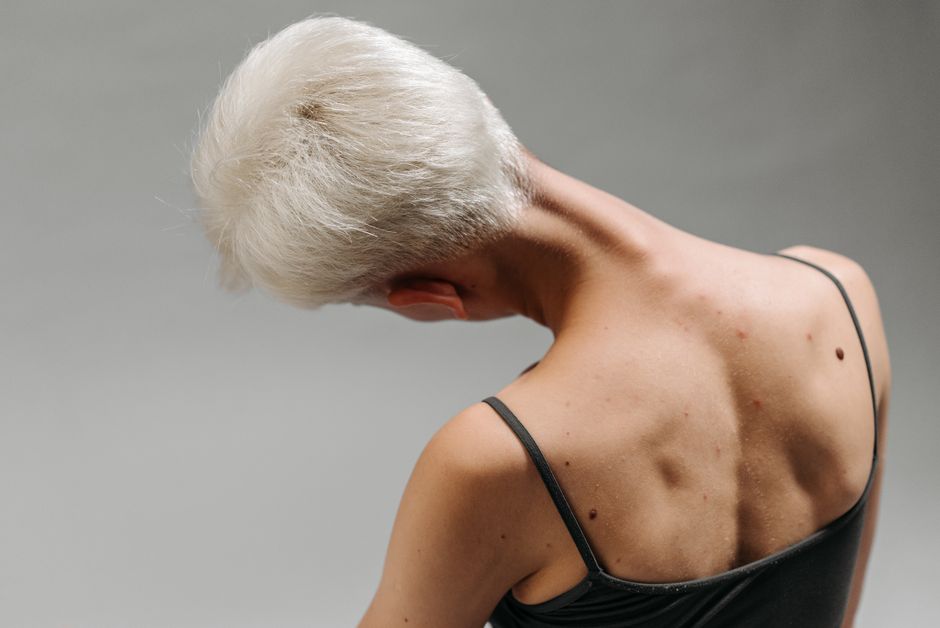
Fungal acne is caused by an overgrowth of yeast from the Malassezia family. It lives on everyone’s skin, but when conditions get oily, sweaty, or humid, it multiplies. The result: small, uniform, itchy bumps that cluster on the chest, back, and sometimes the forehead.
Standard acne treatments don’t work here. They strip the skin barrier, feed the yeast, and prolong the breakout. You need antifungal agents. This article breaks down what actually works, what doesn’t, and which products are worth your money.
How to Tell If You Have Fungal Acne (Without a Dermatologist)
Visual Clues: Size, Distribution, and Itch Factor
Regular acne (acne vulgaris) comes in many forms: blackheads, whiteheads, cysts, papules. Fungal acne is uniform. Every bump looks the same — small, red, about 1-2mm across, with no whitehead. They cluster in groups, often in a line or patch.
Location matters. Fungal acne loves the chest, upper back, shoulders, and hairline. It rarely appears on the nose or chin like hormonal acne does. And it itches. Regular acne hurts; fungal acne itches. If your bumps itch, that’s a strong signal.
The Antibiotic Test
Here’s a cheap diagnostic: if you’ve used a topical antibiotic (clindamycin) or benzoyl peroxide for 2+ weeks with zero improvement, you’re likely dealing with yeast, not bacteria. Antibiotics kill bacteria but do nothing to fungi. They may even make things worse by disrupting the skin microbiome.
Another quick test: apply an over-the-counter antifungal cream (like clotrimazole or ketoconazole 2%) to one small patch twice daily for 3 days. If the bumps flatten or stop itching, it’s fungal. That’s your confirmation.
What Makes Fungal Acne Worse: The Feeding Cycle
Malassezia yeast feeds on oils with fatty acids (specifically C12-C24 chain lengths). Every skincare product you use is either food or poison for this yeast. Most moisturizers, sunscreens, and serums contain oils that feed it.
Common ingredients that worsen fungal acne:
- Olive oil, coconut oil, shea butter
- Most plant oils (jojoba, argan, rosehip)
- Fatty acids (oleic acid, stearic acid)
- Esters derived from fatty acids (isopropyl myristate, cetyl alcohol)
- Polysorbates and most emulsifiers
The failure mode: buying a “gentle” moisturizer that lists shea butter as the second ingredient. That moisturizer is feeding the yeast. You need products formulated without these oils. Look for “Malassezia-safe” or check ingredient lists against a database like Folliculitis Scout.
What Actually Calms the Yeast
Three categories of ingredients work:
- Antifungals: Ketoconazole, clotrimazole, selenium sulfide, sulfur
- Drying agents: Zinc pyrithione, sulfur, tea tree oil (diluted)
- pH adjusters: Low pH (4.5-5.5) inhibits yeast growth
Best Products for Fungal Acne: What the Data Says
No single product works for everyone. But some ingredients have strong clinical backing. Here’s what to reach for, and what to skip.
| Product / Ingredient | How It Works | Best For | Cost (approx.) |
|---|---|---|---|
| Nizoral Anti-Dandruff Shampoo (2% ketoconazole) | Antifungal; disrupts yeast cell membrane | Chest, back, hairline. Use as a 5-minute mask. | $12-16 for 7 oz |
| Head & Shoulders Classic Clean (1% pyrithione zinc) | Antimicrobial; reduces yeast population | Milder cases, maintenance. Less irritating. | $6-8 for 12 oz |
| De La Cruz 10% Sulfur Ointment | Dries out bumps, antifungal | Spot treatment for active clusters | $8-10 for 2.6 oz |
| COSRX AHA 7 Whitehead Power Liquid (7% glycolic acid) | Exfoliates dead skin, prevents yeast from hiding in pores | Maintenance, reducing texture | $18-22 for 3.4 oz |
| Lotrimin AF Cream (1% clotrimazole) | Broad-spectrum antifungal | Small patches on face or neck | $10-14 for 0.5 oz |
My pick for most people: Start with Nizoral shampoo as a body mask. Leave it on for 5 minutes, rinse. Do this every other day for 2 weeks. If you see improvement but need a daily option, switch to Head & Shoulders for maintenance. For stubborn spots, apply De La Cruz sulfur ointment overnight.
When NOT to Buy Antifungal Products (and What to Do Instead)
Antifungals can dry out your skin. If you overdo it, you’ll damage your moisture barrier, which makes your skin produce more oil, which feeds the yeast. It’s a vicious cycle.
Don’t use antifungal shampoo as a face wash daily. It’s too harsh. Limit to 2-3 times per week on the face, or only on body areas.
Don’t combine multiple antifungals without a break. Using Nizoral, sulfur, AND clotrimazole at the same time guarantees irritation. Pick one active at a time.
When antifungal products fail, the problem is usually your moisturizer or sunscreen. You’re killing the yeast, then feeding it again with shea butter or coconut oil. Switch to a Malassezia-safe moisturizer first. Sebamed Clear Face Gel ($14) or Aveeno Calm + Restore Oat Gel Moisturizer ($20) are safe options. Both are oil-free and won’t feed the yeast.
Another overlooked cause: sweat. If you work out and don’t shower within 30 minutes, the sweat sits on your skin, creating a warm, humid environment for yeast. Shower immediately after sweating. Use a gentle body wash (CeraVe Hydrating Body Wash, $12) to avoid stripping.
Building a Fungal Acne Routine That Works
Here’s a minimalist routine that balances treatment with barrier protection.
Step 1: Wash with an Antifungal (3x/week)
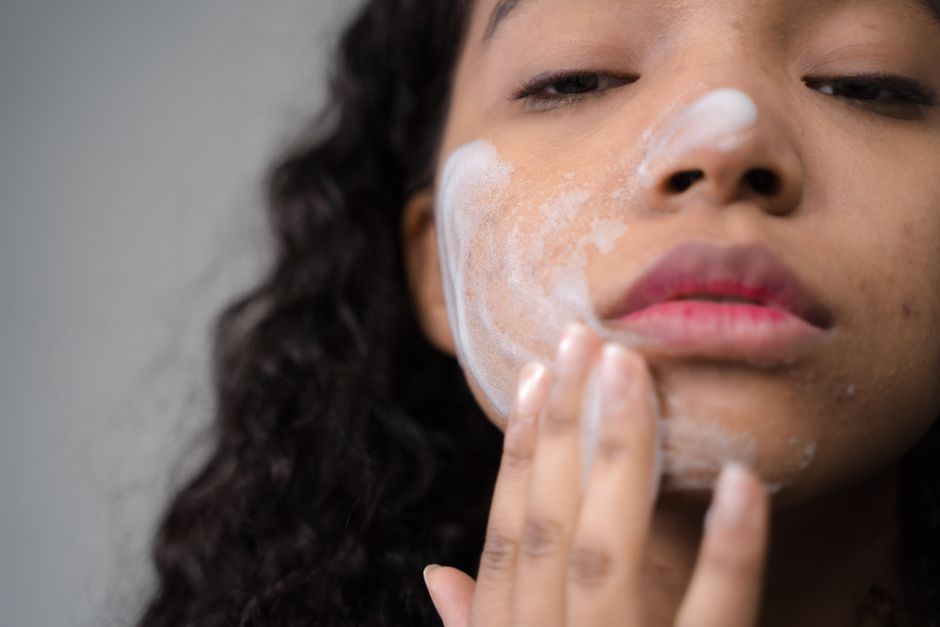
Use Nizoral shampoo on the affected area. Lather, leave for 5 minutes, rinse. Do not scrub hard — that irritates the skin and triggers more oil production.
Step 2: Moisturize with a Safe Product (daily)
Apply Sebamed Clear Face Gel or Aveeno Oat Gel. These hydrate without feeding yeast. If your skin feels tight, add a drop of squalane oil (The Ordinary 100% Plant-Derived Squalane, $8). Squalane is one of the few oils that doesn’t feed Malassezia.
Step 3: Exfoliate Twice Weekly (optional)
Use COSRX AHA 7 Whitehead Power Liquid. Glycolic acid helps shed dead skin cells that trap yeast. Do not use on the same day as Nizoral — alternate nights.
What to expect: Itching stops within 2-3 days. Bumps flatten in 1-2 weeks. Complete clearing takes 4-6 weeks. If you see no change after 3 weeks, you might not have fungal acne, or you’re feeding it through your moisturizer.
Quick Comparison: Fungal Acne vs. Regular Acne
| Feature | Fungal Acne | Regular Acne |
|---|---|---|
| Itching | Common | Rare |
| Bump size | Uniform, 1-2mm | Varied sizes |
| Location | Chest, back, hairline | Face (especially T-zone) |
| Response to benzoyl peroxide | No improvement | Improves |
| Response to ketoconazole | Improves | No effect |
Fungal acne is stubborn but treatable. The key is stopping the feeding cycle, not just killing the yeast. Fix your moisturizer, shower after sweating, and use a targeted antifungal. Stick with it for 4 weeks. If you’re still itchy after that, see a dermatologist for a prescription antifungal like fluconazole (Diflucan).